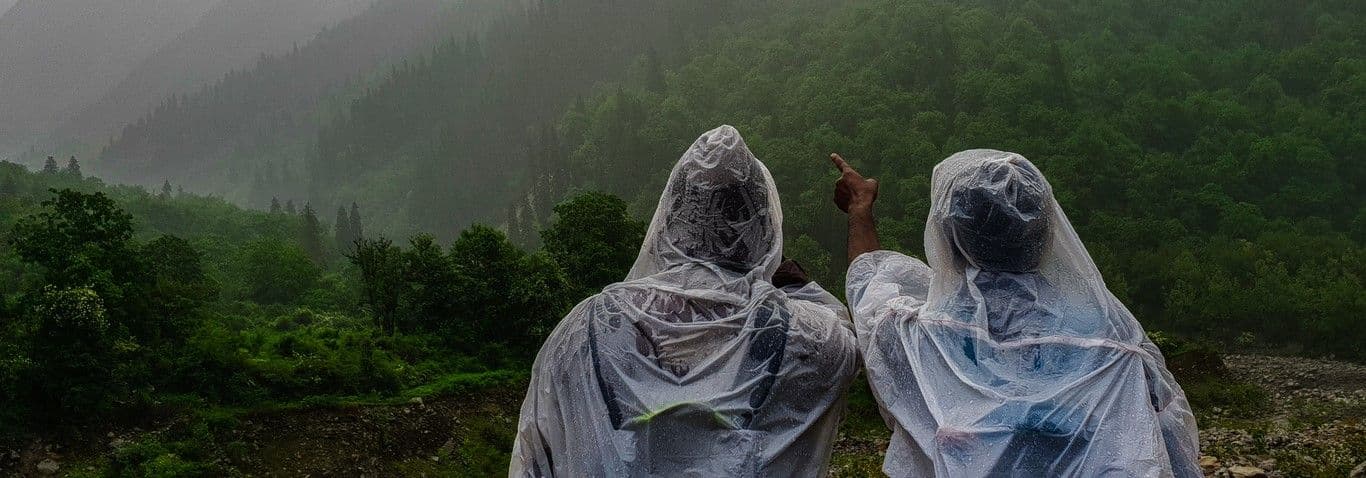
Trekking in the monsoons? Learn to deal with these emergencies
Many city dwellers wait for the first rain to signal the start of trekking season. The showers transform landscapes into breathtaking canvases painted in hues of green. However, monsoon trekking also comes with challenges. From slippery paths to sudden weather changes, you must prepare to handle unexpected circumstances while enjoying the great outdoors. Here are some essential strategies to help you overcome common trekking emergencies in the monsoons for safe and enjoyable adventures.
What emergencies should I prepare for while trekking in the monsoons?
Monsoon treks can get complicated due to the following emergencies.
Landslides, flash floods, lightning strikes, and hailstorms can make trails significantly more difficult. Strong currents in rivers and streams and increased water flow can make crossings unsafe. Low temperatures can also lead to hypothermia, especially at high altitudes.
Loose rocks and slippery trails can increase the risk of injuries. Reduced visibility due to low clouds and fog can disorient trekkers who may wander off the trail, increasing their chances of wildlife encounters. Additionally, novice trekkers may ascend too quickly, triggering symptoms of altitude sickness.
Trekking in the rain can lead to dehydration since adventurers may not realise they are sweating. Drinking from contaminated water sources may lead to illnesses, and trekkers with open wounds might suffer from infections caused by high humidity.
Before heading out on monsoon treks, you must prepare adequately and avoid unnecessary injuries or health issues. Here are some trekking safety tips to help keep you safe as you enjoy the great outdoors.
How do I handle slippery and muddy trails during a monsoon trek?
Handling slippery and muddy trails during a monsoon trek requires a combination of proper gear, technique, and caution.
a. Appropriate footwear
Invest in high-quality trekking shoes with good grip and ankle support. Waterproof shoes help keep your feet dry.
b. Trekking poles
Trekking poles provide extra stability and balance, especially on slippery terrain. Use adjustable poles to suit the terrain, shortening them for uphill and lengthening them for downhill sections.

c. Be cautious
Move slowly and deliberately to maintain balance. Place your feet flat on the ground to increase surface contact and reduce slipping.
d. Pick the right path
Walk around wet rocks and boulders, which can be very slippery. Look for paths with grass or vegetation, as they often provide better traction than muddy areas. However, ensure you avoid areas with moss.
e. Maintain a low centre of gravity
Bend your knees slightly to lower your centre of gravity and improve balance. Whenever required, grab onto stable tree trunks or rocks to steady yourself.
f. Prepare for falls
In case of a fall, try to fall on your side or back to minimise injury. Always carry a first aid kit to treat minor injuries like cuts and bruises.
g. Test terrain stability
Test the stability of rocks and logs before putting your full weight on them. Keep an eye on the trail ahead and avoid obvious hazards.
h. Take a break
Take breaks to rest and assess your progress, especially during difficult sections. Stay hydrated and keep your energy levels up with snacks.
How can I safely cross rivers and streams during a monsoon trek?
Safely crossing rivers and streams during a monsoon trek requires careful planning.
1. Assess the situation
Observe the water level and current strength before attempting to cross. If the water is too high or the current too strong, consider finding an alternative route. When the conditions are okay to cross, look for the shallowest and widest part of the river or stream. These are usually the safest places to cross.

2. Gear up correctly
Wear sturdy, waterproof trekking shoes or sandals that provide good traction. Use trekking poles to help maintain balance and test the depth and stability of the riverbed. Keep your essentials in dry, waterproof bags to protect them from getting wet.
3. Form a human chain
When trekking with a group, have the most experienced trekkers cross first. They can help guide the rest of the group safely. Alternatively, link arms or grab onto each other’s packs to form a human chain. Crossing together offers additional stability.
4. Cross upstream
You can use the upstream crossing technique to stay safe. Face upstream and cross at a slight angle, moving diagonally rather than straight across. Attempt to maintain three points of contact with the ground. Use your trekking poles or hands to stabilise yourself. Finally, take small, deliberate steps to maintain balance and reduce the risk of slipping.
What should I do if I get lost during a monsoon trek?
Getting lost during a monsoon trek can be a daunting experience. Attempt to stay calm and take the following steps to return to safety.
a. Assess the situation
Take a deep breath to calm yourself. Panicking can lead to poor decision-making. Look around and try to recognise any landmarks or features that can help you determine your location.
b. Stay put
When unsure of your location, stay in one place instead of wandering around. Rescuers and other members of your group can find you easily when you stay put.
c. Use your map, compass or GPS
Use a map and compass or GPS device to try and determine your location. Compare your surroundings with the map. If possible, mark your current position on the map to keep track of your movements.

d. Backtrack carefully
If you feel confident, try to retrace your steps to the last known point on your route. Use markers like stones, sticks, or biodegradable tape to mark your path and avoid getting lost further.
e. Stay positive
Maintain a positive attitude. Staying hopeful and mentally strong increases your chances of survival and making sound decisions.
These trekking tips can help you enjoy safe monsoon treks throughout the season. Remember to gear up well and carry adequate supplies to look after yourself during emergencies. Always check the weather before you leave and stay updated on potential storms. Adjust your plans to avoid difficult conditions and always stay on the trail to stay safe.
Disclaimer: ARN: Zuno/Blog/Trekking in the monsoons/07/24/09.
All rights reserved.
Disclaimer
Source: The content of the blog/article is based on information obtained from publicly accessible and generally recognized sources, including regulatory authorities, official organizational websites, industry associations, research institutions, market intelligence reports, academic publications, and other reputable secondary references. The information has been collated, analysed, and presented solely for informational purposes. Disclaimer: The company offers various products under Motor insurance, Health Insurance, and commercial insurances. For more details on risk factors, terms and conditions, exclusions, and product features, please read the policy wording and sales brochure carefully before concluding sale. Zuno General Insurance Limited, IRDAI Reg. No. 159, CIN: U66000MH2016PLC273758, Regd. Office: 2nd Floor, Tower 3, Wing B, Kohinoor City Mall, Kohinoor City, Kirol Road, Kurla (West) Mumbai City MH 400070. Reach us on TOLL-FREE: 1800 12000 | Landline: 02242312000 (Call charges applicable) www.hizuno.com | support@hizuno.com