PPF vs Ceramic Cating: which paint protection is more effective?
But when it comes to ppf vs ceramic coating, many car owners are confused: which offers better scratch protection, longer durability, and more value for the final cost? This guide will break down paint protection film vs ceramic coating in detail, explaining how they work, their pros and cons, similarities, differences, and which one suits your needs better.
What is paint protection film?
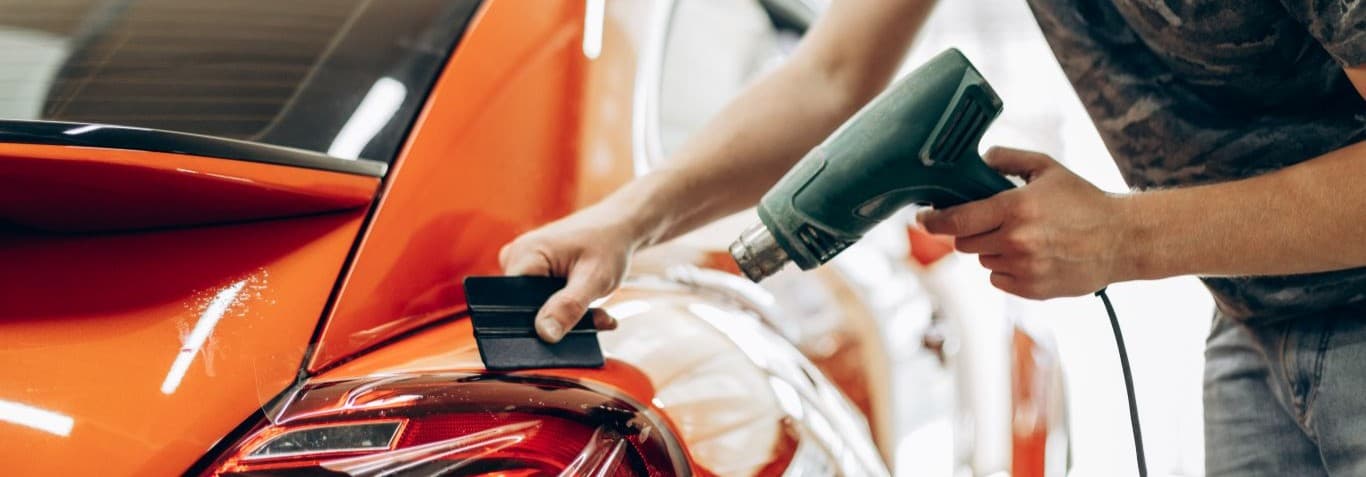
Paint protection film (PPF), also known as a clear bra, is a transparent layer made of thermoplastic urethane. It is applied over the paint surface to shield it from rock chips, flying debris, bird poop, and minor scratches.
- Ppf protects high-impact areas like the front bumper, rocker panels, and side mirrors.
- It offers self healing properties where light marks or swirl marks disappear with heat exposure.
- A high-quality paint protection film ppf also provides strong impact resistance against small stones and road debris.
For car owners who want good protection against physical damage, ppf is often considered the strongest option.
What is a ceramic coating?
A ceramic coating is a liquid protective coating made of a liquid polymer. It chemically bonds to the original paint job and creates an invisible top coat over the paint surface.
Ceramic coatings offer excellent resistance to uv rays, chemical stains, mineral deposits, and environmental hazards.
They provide hydrophobic properties, meaning water, mud, and other contaminants slide off easily.
Once cured, a full ceramic coating adds a glossy shine and smooth finish to the car’s exterior.
Unlike ppf, it does not act as a thick physical barrier, but it enhances the look of the paint while offering uv protection and easier cleaning.
Paint protection film: advantages and disadvantages
Advantages of PPF:
- Impact resistance: Works like armor against rock chips, flying debris, and small impacts.
- Self healing: Can fix light swirl marks and minor scratches with heat.
- Invisible protection: High-quality paint protection film blends with the original form of the paint surface.
- Long-term safety: Protects against bird droppings, acidic contaminants, and road debris.
Disadvantages of PPF:
- Initial investment is high, especially for covering the whole car.
- Needs professional installation for best results.
- Can sometimes yellow or peel if poor-quality paint protectors are used.
Ceramic coating: advantages and disadvantages
Advantages of ceramic coating:
- Chemically bonds with the original paint, creating a permanent protective layer.
- Excellent uv protection and resistance against environmental factors.
- Adds shine and gloss to the car’s exterior surfaces.
- Hydrophobic properties make washing easier and prevent mineral deposits.
- More affordable than ppf for covering larger surface area.
Disadvantages of ceramic coating:
- Does not provide scratch protection against rock chips or road debris.
- Cannot fix paint damage or prevent dents.
- Requires paint correction before application for best results.
- Needs professional installation for a flawless finish.
Common Features of PPF and Ceramic Coating
At first glance, ppf and ceramic coating might seem like two very different paint protectors, but they share several similarities:
- Both provide a protective layer to preserve the car’s exterior.
- Both act as paint protectors against uv exposure, bird droppings, and environmental hazards.
- Both need professional installation to achieve the desired outcome.
- Both can be applied to the whole car or just body panels like front bumper or side mirrors.
- Both extend the life of the original paint job by preventing paint damage.
Difference between PPF and Ceramic Coating
| Aspect | Paint Protection Film (PPF) | Ceramic Coating |
|---|---|---|
| Protection Type | Protects against physical impacts like rock chips and road debris | Offers chemical and UV protection |
| Layer Thickness | Transparent layer that adds thickness | Thin, glass-like glossy finish |
| Self-Healing Properties | Yes, can fix light scratches and swirl marks | No |
| Hydrophobic Properties | Present but less effective | Superior hydrophobic properties for easier cleaning |
| Scratch Protection | Strong scratch protection and impact absorption | Protects against UV rays, chemical stains, acidic contaminants but not heavy scratches |
| Ideal Application Areas | High-risk zones like front bumper and rocker panels | Overall shine and UV protection |
| Durability | Lasts 5–10 years with professional installation and maintenance | Lasts 2–5 years with proper maintenance |
| Cost | More expensive due to material and professional installation | Lower initial investment and final cost |
| Application Time | More time-consuming | Faster application process |
| Best For | Maximum scratch protection and impact resistance | Glossy shine, UV protection, easy cleaning, paint correction |
| Combination Use | Often combined with ceramic coating on other areas | Often applied over PPF for enhanced protection |
PPF vs Ceramic Coating: which is better?
The choice depends on your car’s ease of use and driving habits:
For maximum scratch protection from rock chips, road debris, and impact resistance, choose Paint Protection Film (PPF).
For a glossy shine, UV protection, easy cleaning, and paint correction, choose Ceramic Coating.
Many car owners opt for a combination: PPF on high-impact areas and Ceramic Coating on the rest of the surface area.
Frequently asked questions
1. Does the age of the vehicle affect the quality of PPF application?
Yes. For older vehicles, paint correction is often necessary before applying paint protection film (PPF) to ensure optimal adhesion and a flawless finish. Brand new cars typically yield the best results since their paint surfaces are pristine and free from imperfections.
2. What should be applied first: ceramic coating or paint protection film?
When using both paint protection products, it is recommended to apply paint protection film first to shield the car’s exterior from physical damage such as rock chips and scratches. Afterward, apply a ceramic coating over the film to provide enhanced hydrophobic properties, UV protection, and a glossy finish.
3. Are there additional resources for car insurance?
Protecting your vehicle’s paint is crucial, but safeguarding the entire car is equally important. Always compare insurance policies online, review coverage details thoroughly, and select plans that best suit your vehicle’s requirements. Use tools like car insurance calculators to obtain precise quotes, and carefully examine policy inclusions and exclusions before making a purchase.
conclusion
When comparing ppf vs ceramic coating, there is no one-size-fits-all answer. If your roads have lots of road debris, rock chips, or flying debris, then ppf protects better. If you want a glossy finish, easy washing, and defense against uv rays, then ceramic coatings offer better value.
The best solution for most car owners is a combination of both ppf and ceramic coating, providing good protection while maintaining shine. Whatever you choose, ensure professional installation for the best results and safeguard your original paint job for years to come.
All Rights Reserved.
ARN: Zuno/Blog/DM/PPF vs Ceramic Cating: which paint protection is more effective? /08/25/05
Disclaimer
Source: The content of the blog/article is based on information obtained from publicly accessible and generally recognized sources, including regulatory authorities, official organizational websites, industry associations, research institutions, market intelligence reports, academic publications, and other reputable secondary references. The information has been collated, analysed, and presented solely for informational purposes. Disclaimer: The company offers various products under Motor insurance, Health Insurance, and commercial insurances. For more details on risk factors, terms and conditions, exclusions, and product features, please read the policy wording and sales brochure carefully before concluding sale. Zuno General Insurance Limited, IRDAI Reg. No. 159, CIN: U66000MH2016PLC273758, Regd. Office: 2nd Floor, Tower 3, Wing B, Kohinoor City Mall, Kohinoor City, Kirol Road, Kurla (West) Mumbai City MH 400070. Reach us on TOLL-FREE: 1800 12000 | Landline: 02242312000 (Call charges applicable) www.hizuno.com | support@hizuno.com