







Mandatory road safety signs you need to know
India’s bustling roads can be quite an adventure. Navigating through traffic, dealing with different road conditions, and adhering to road safety rules are daily challenges. Thankfully, you don’t have to figure out how to manage alone. We’ll help you stay safe and informed with our guide to mandatory road safety signs. Let’s better understand the most common traffic signs in India and decode their meanings.
The importance of traffic signs and road safety rules
Before diving into road sign meanings, let’s evaluate why these signs and rules are vital.
a. Safety
Road and traffic signals ensure the safety of all drivers, pedestrians and cyclists
b. Orderly traffic
These signs and traffic rules help maintain a sense of order and predictability on the roads, which reduces the risk of accidents.
c. Communication
Traffic and road signals serve as a universal language for all motorists. They convey essential information and warnings.
Types of road signs
Mandatory or regulatory signs
These signs indicate rules or prohibitions. Most signs are red and white. Circular signs show rules, and those with slashes highlight prohibited activities. Triangular signs provide warnings and indicate risks. Blue circle signs are mandatory instructions for certain vehicle classes. Let’s understand each sign better.
1. Stop sign
An octagonal red sign with the word Stop written in white indicates drivers must stop before proceeding with caution.

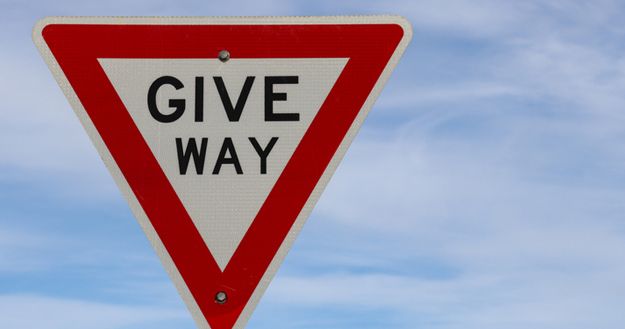
2. Give way sign
The give way sign is an inverted triangle. It has a white triangle inside a red triangle, and the words Give Way in black. On seeing this, motorists must give preference to traffic on the right.
3. Speed limit sign
Circular red and white signs with numbers indicate the maximum speed limit on the road. A white circle inside a red circle has the speed limit in kilometres per hour written in black.

4. No entry sign
When drivers or bikers see a round red sign with a white horizontal line, they cannot enter ahead. The no-entry sign indicates a prohibited area for vehicles.

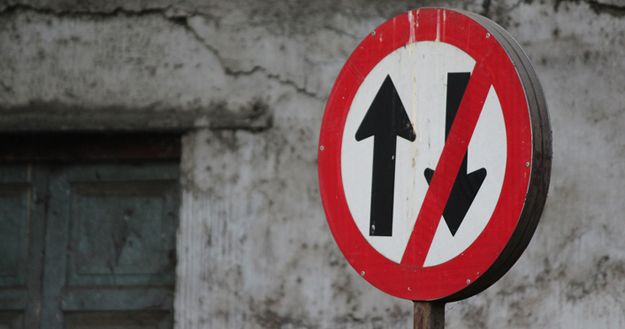
5. One-way traffic sign
The one-way traffic sign is a white circle within a red circle with two arrows. A red slash across the circle and one arrow indicate which direction traffic is not allowed. The arrow not covered by the slash indicates the direction in which traffic is allowed.
6. No parking sign
The no-parking sign is a circular red and blue sign. It has a blue circle within a red circle and a single red diagonal line across it. The sign indicates that parking is not allowed in that area.

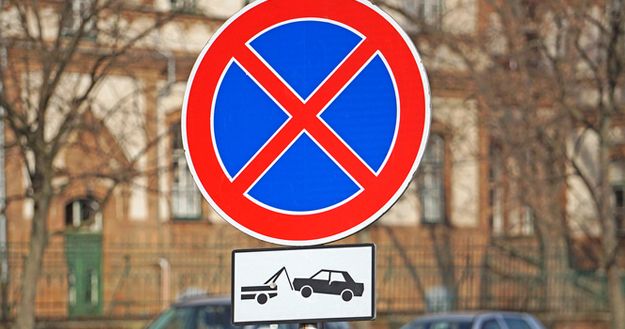
7. No stopping sign
The no-stopping sign is similar to the no-parking sign. Instead of a single red line, it has a red cross across the blue circle. Motorists should not stop their vehicles for even a minute near the sign.
8. Prohibition signs
All prohibition signs have a white circle within a red circle with a red slash across. These signs can indicate no cycles allowed, no trucks allowed, no two-wheelers allowed, no right turns, no left turns, no u-turns, honking prohibited, and more.

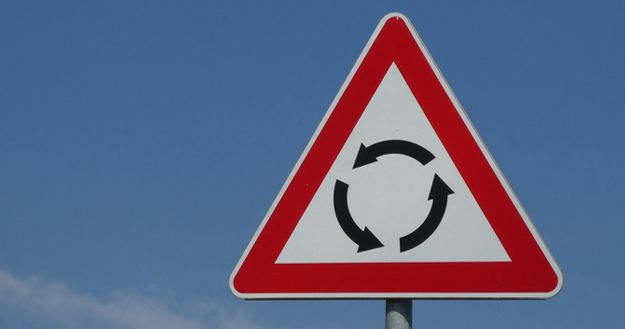
9. Cautionary or warning signs
These traffic signs are generally triangular. They help warn motorists about potential hazards on the road. Common cautionary signs include:
- Curve to the left
- Curve to the right
- Right hairpin bend
- Left hairpin bend
- Dangerous curves ahead
- Roundabout
- Traffic light
- Narrow bridge
- Steep ascent
- Steep descent
- Pedestrian crossing
- School or children crossing
- Rumble strip
- Speed breakers
Informative signs
The final type of road signs we see are informative ones. They offer directions and help us ensure we’re on the right road. These signs often include road names and numbers and may include distances to various destinations.

Staying safe on the road
Road signs and traffic signals help you stay safe on the road. Before getting your learner’s license, you must pass a test on common traffic signs in India. You can use online traffic signal charts to study and ace your test.
Every responsible Indian must take the initiative to learn the various signs and signals to remain safe. Understanding the type of signs and what they stand for can help you avoid making mistakes that lead to accidents. While these signs are common and uniform across India, you must remember that states may have their own rules and regulations. Ensure you familiarise yourself with local road rules before undertaking journeys across states. Additionally, check your vehicle paperwork and make sure everything is in order. Along with a valid driver’s license and car registration papers, you must have an insurance policy.
The Motor Vehicles Act of 1988 made third-party insurance mandatory across India. However, you can enhance your protection with a comprehensive plan and customize your coverage with add-ons. If you don’t have the necessary coverage, visit the Zuno website today to browse our plans and find a policy that suits your needs. You can download the Zuno App from the App or Play Store and register for the Zuno Driving Quotient (ZDQ) Challenge to get the best deal on your policy. Our 15-day challenge measures your driving ability and provides a score. A higher score means a lower premium. Take the challenge and get comprehensive coverage from Zuno.
ARN: Zuno/Blog/Mandatory road safety signs you need to know/11/23/03
All rights reserved.
Disclaimer
Zuno General Insurance Limited does not assume any liability for actions taken based on the information contained in this blog. All insurance products and services are subject to the terms and conditions of the specific policy. Coverage and pricing may vary based on individual circumstances and eligibility.


