






How to ride safely on Indian highways: Essential tips for travelers
Indian highways are the lifeline of the country's road transport system. With a growing network of major national highways, better infrastructure, and faster travel routes, India’s roads now connect nearly every state, town, and union territory.
However, with more vehicles and higher speeds, safety risks on highways in India have also increased. Knowing how to ride safely on Indian highways is essential—whether you're on a short weekend trip or a long cross-country drive.
Understanding the national highway system in India
What are national highways?
National highways are key roads managed by the National Highways Authority under the Ministry of Road Transport and Highways. They connect cities, states, and urban areas across the country.
- Total length: Over 160,000 km of national highways in India
- Longest national highway: NH 44, running 4,112 km from Srinagar to Kanyakumari
- New numbering system:
- Odd numbers = north–south highways
- Even numbers = east–west highways
- Numbers rise from east to west, and north to south
These major highways play an essential part in India’s development and connect to key economic and tourist locations.
Importance of Road Safety on Highways
Road accidents in India
India ranks among the top countries in the world for road accidents and collisions. Many of these happen on national highways, where vehicles travel at high speeds.
Common causes:
- Overspeeding
- Distracted driving
- Driving without a valid driving license
- Poor vehicle maintenance
- Lack of awareness about road safety
The government has launched several initiatives to raise awareness, but the responsibility also lies with individual drivers.
Pre-trip preparations: Start safe, stay safe
Before driving on any major highways, take these steps:
✅ Vehicle checks:
- Tyres: Check air pressure and wear
- Brakes: Must be responsive
- Oil, coolant, and fuel levels: Should be full
- Lights: Headlights, indicators, brake lights must work
- Battery: Fully charged and corrosion-free
✅ Documents to carry:
- Valid driving license
- Vehicle registration
- Valid car insurance
- PUC certificate (Pollution Under Control)
✅ Safety items:
- First-aid kit
- Basic tools like jack, wrench
- Phone charger or power bank
- Drinking water, snacks
- Flashlight
These basic steps help avoid emergencies and improve your confidence while driving.
Importance of vehicle maintenance
A well-maintained vehicle is less likely to break down and more likely to handle sudden risks on highways.
Key Maintenance Tips:
- Service your car or bike regularly
- Replace old tyres and worn-out brake pads
- Clean or replace air filters before long drives
- Keep a spare tyre and learn how to change it
- Ensure your electrical system is functioning correctly
Before every highway trip, get a mechanic to inspect your vehicle especially if it’s not a new car.
Roadside assistance: Your lifeline on highways
Even with full preparation, breakdowns can happen. That’s where roadside assistance becomes crucial.
What it covers:
- Towing service
- On-spot repairs
- Flat tyre change
- Fuel delivery
- Battery jump-start
- Lockout help
Many insurance companies offer this service, especially on national highways where help can be far away. This is especially useful when driving through remote stretches in states like Himachal Pradesh, Uttar Pradesh, or Tamil Nadu.
How to ride safely on Indian highways
1. Follow traffic rules
- Respect speed limits on each stretch
- Use indicators while overtaking or turning
- Don’t stop randomly or park near curves
- Obey signs and road markings
2. Stay focused and alert
- Don’t use your phone while driving
- Avoid loud music or eating while driving
- Take a break every 2–3 hours to avoid fatigue
3. Maintain safe distance
Tailgating is a major cause of highway collisions. Keep enough space between your vehicle and the one ahead especially at high speeds.
4. Use Seatbelts and Helmets
- Seatbelts save lives make sure all passengers wear them
- If on a two-wheeler, wear a good-quality helmet
5. Avoid Driving at Night
- Visibility is low
- Risk of tired drivers and stray animals is high
- Only drive at night if you are well-rested and confident
Navigation and route planning
a. Use maps and GPS
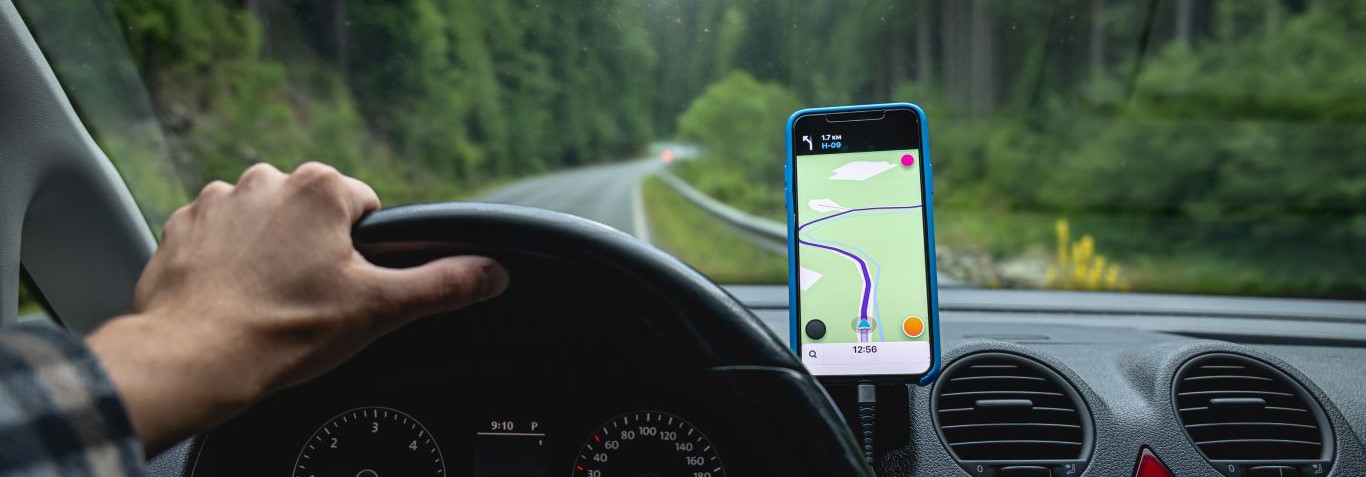
Modern GPS devices and apps like Google Maps help you plan your routes smartly. They also show toll booths, traffic, and fuel stations.
b. Backup plan
- Carry a physical map
- Know the exit points in case of diversions
- Save emergency contact numbers
Understanding your direction using the numbering system of highways can help avoid confusion and wrong turns.
Emergency procedures
a. In case of a breakdown:
- Park on the side with hazard lights on
- Use a warning triangle or reflective tape
- Call your roadside assistance provider
b. In case of an accident:
- Move to a safe location
- Call the police and emergency responders
- Exchange details with the other party
- Take photos and file an FIR if needed
- Inform your insurance company
- Having valid documents and insurance helps in smooth claim settlement.
Insurance and documentation
Driving without proper documents can lead to heavy fines or even vehicle seizure.
Must-carry documents:
- Driving license
- Vehicle registration certificate
- Active car insurance policy
- PUC certificate
- Your insurance should cover accidents, theft, and roadside assistance for full protection.
🚦 Understanding road signs
Road signs are your guide on highways. They tell you:
- How fast to go
- Where to turn or stop
- Warning zones like curves or animal crossings
- Distances to cities, towns, and exits
- If you're unsure about any sign, slow down and check what it means. It's better to be safe than sorry.
Conclusion
How to ride safely on Indian highways is not just a question—it’s a skill every driver must learn. Whether you’re covering short stretches or long routes like NH 44, your safety, and that of others, depends on your alertness, preparation, and discipline.
The majority of accidents can be prevented by simple habits: checking your vehicle, respecting the law, using roadside assistance when needed, and keeping your documents updated.
Travel smart. Drive safe.
ARN: Zuno/Blog/DM/How to ride safely on Indian highways: Essential tips for travelers/04/25/48
All Rights Reserved.
Disclaimer
Source: The content of the blog/article is based on information obtained from publicly accessible and generally recognized sources, including regulatory authorities, official organizational websites, industry associations, research institutions, market intelligence reports, academic publications, and other reputable secondary references. The information has been collated, analysed, and presented solely for informational purposes. Disclaimer: The company offers various products under Motor insurance, Health Insurance, and commercial insurances. For more details on risk factors, terms and conditions, exclusions, and product features, please read the policy wording and sales brochure carefully before concluding sale. Zuno General Insurance Limited, IRDAI Reg. No. 159, CIN: U66000MH2016PLC273758, Regd. Office: 2nd Floor, Tower 3, Wing B, Kohinoor City Mall, Kohinoor City, Kirol Road, Kurla (West) Mumbai City MH 400070. Reach us on TOLL-FREE: 1800 12000 | Landline: 02242312000 (Call charges applicable) www.hizuno.com | support@hizuno.com


