






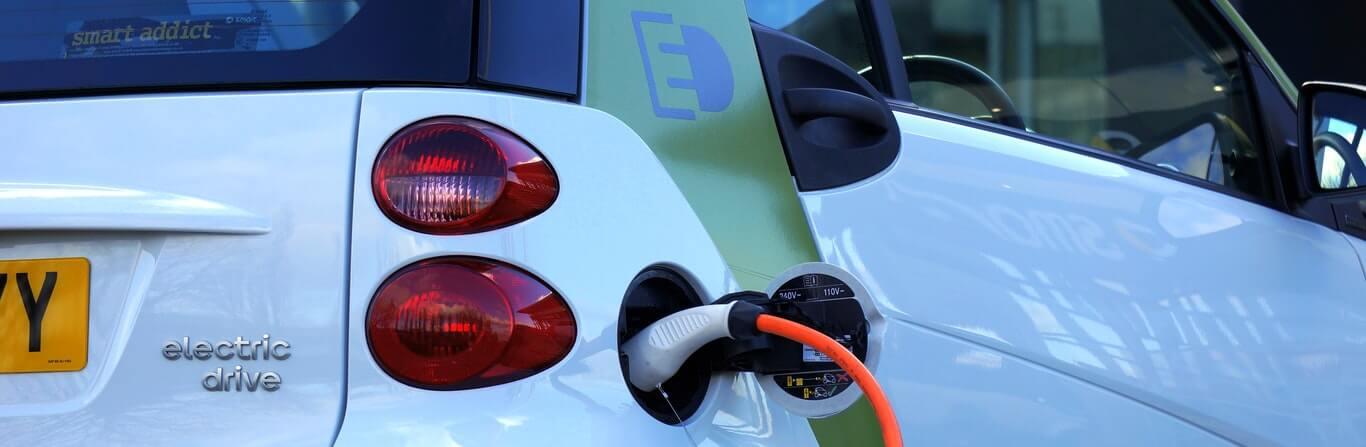
Understanding Electric Vehicles: A Greener Approach
Types Of Electric Vehicles:
Essentially, there are three types of electric vehicles available in the market. The distinction is made based on what powers the engine.
1. Battery Electric Vehicles (BEV)
These vehicles are fully electric and run on rechargeable batteries that are charged by DC level 3 chargers. They are the most eco-friendly as they emit little to no air pollutants and also reduce noise pollution. In India, Hyundai, Mahindra, Tata and Mercedes all have BEV car options available.
2. Plug-in Hybrid Electric Vehicles (PHEV)
Like BEVs, these cars run primarily with the help of rechargeable batteries. However, they can also run-on fuels like petrol and diesel. Typically, the vehicle starts and runs on battery power. Once the battery drains out, it switches to fuel supply.
Hybrid Electric Vehicles (HEV)
These vehicles use electricity to start and move, but then switch automatically to fuel with an increase in speed. In India, there are several hybrid cars available today. While these cars are significantly better for then environment than solely fuel-run counterparts, they aren’t as eco-friendly as PHEVs or BEVs.
The Benefits Of Electric Vehicles
We’re sure you know that electric vehicles are better for the environment – but that isn’t where the advantages end. Here’s a quick look at some of the other benefits of driving an electric vehicle:
1. Save on Fuel Costs
The cost of petrol is continuously on the rise. When you opt for an electric vehicle, you can save on petrol and diesel costs in the long run.
2. Easy to Maintain
Electric cars tend to have fewer parts than their fuel-driven counterparts. So, these vehicles are easier to maintain.
Going Green
Most people assume they will have to buy a new vehicle if they want to switch from a fuel-driven car or bike to an electric vehicle, but this isn’t true. As per the Central Motor Vehicles Rules, 1989, car owners can retrofit an electric-powered core into their fuel-driven car. Of course, if you’ve opted to do this, you must have your paperwork in order. You need written approval from your local RTO office before you change your vehicle’s engine. You must also have a valid insurance policy before you start using your vehicle. In India, having at least third-party cover is mandatory by law. But, we always say that the more cover you have, the better. When it comes to insuring your vehicle, you should always opt for personal accident cover for yourself and your co-riders as well.
Disclaimer
Source: The content of the blog/article is based on information obtained from publicly accessible and generally recognized sources, including regulatory authorities, official organizational websites, industry associations, research institutions, market intelligence reports, academic publications, and other reputable secondary references. The information has been collated, analysed, and presented solely for informational purposes. Disclaimer: The company offers various products under Motor insurance, Health Insurance, and commercial insurances. For more details on risk factors, terms and conditions, exclusions, and product features, please read the policy wording and sales brochure carefully before concluding sale. Zuno General Insurance Limited, IRDAI Reg. No. 159, CIN: U66000MH2016PLC273758, Regd. Office: 2nd Floor, Tower 3, Wing B, Kohinoor City Mall, Kohinoor City, Kirol Road, Kurla (West) Mumbai City MH 400070. Reach us on TOLL-FREE: 1800 12000 | Landline: 02242312000 (Call charges applicable) www.hizuno.com | support@hizuno.com


