






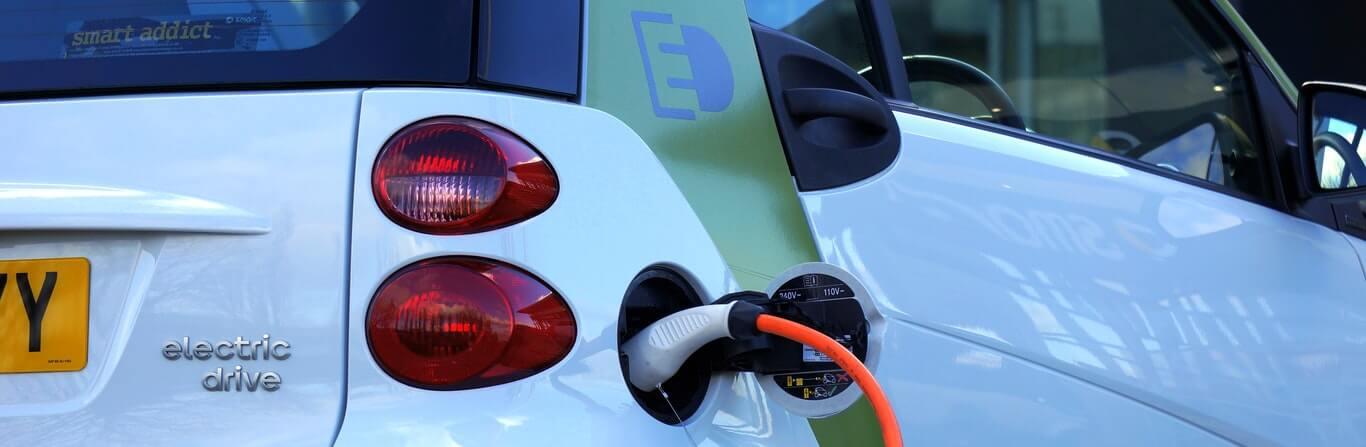
EV batteries in India: the complete guide to pricing, manufacturers, and future trends (2024)
As India accelerates its transition to electric mobility, EV batteries have become a hot topic. From pricing and manufacturers to cutting-edge technology and environmental concerns, there's a lot to unpack. In this comprehensive guide, we'll dive deep into the world of EV batteries in India, offering valuable insights for potential buyers, industry enthusiasts, and investors alike.
EV battery pricing in India
The cost of EV batteries plays a crucial role in the overall price of electric vehicles. Let's break down the pricing structure:
a. Current EV battery prices
As of 2024, EV battery prices in India range from ₹15,000 to ₹60,000 per kWh, depending on the technology and scale of production.
b. Factors affecting EV battery prices
- Raw material costs (especially lithium, nickel, and cobalt)
- Manufacturing scale
- Technology advancements
- Import duties (for cells and components)
c. Price trends
The good news is that EV battery prices are on a downward trend. Industry experts predict a 20-30% reduction in prices over the next five years, making electric vehicles more affordable for the average Indian consumer.
Top EV battery manufacturers in India
India's EV battery manufacturing sector is growing rapidly. Here are some key players:
- Tata Autocomp systems
- Amara raja batteries
- Exide industries
- Okaya power
- Coslight India
- Exicom power solutions
International giants like Panasonic, LG Chem, and Samsung SDI are also eyeing the Indian market, with plans to set up local manufacturing facilities.
EV battery technology: current state and future innovations
a. Current technologies
- Lithium-ion (li-ion): the most common type, offering high energy density and longer life.
- Lithium iron phosphate (lfp): known for better thermal stability and lower costs.
- Nickel manganese cobalt (nmc): offers high energy density but at a higher cost.
b. Emerging technologies
- Solid-state batteries: promise higher energy density and improved safety.
- Sodium-ion batteries: a potentially cheaper alternative to lithium-ion.
- Aluminum-air batteries: offer high energy density and are fully recyclable
EV battery life and capacity
a. Battery life
Most EV batteries in India come with a warranty of 8 years or 160,000 km, whichever comes first. With proper maintenance, EV batteries can have a lifespan of 10 to 15 years.
b. Factors affecting battery life
- Charging habits
- Temperature extremes
- Driving patterns
- Regular maintenance
c. Battery capacity
EV battery capacity in India typically ranges from 15 kWh for small electric cars to over 100 kWh for premium electric SUVs. This translates to a real-world range of 150-500 km on a single charge.
The EV battery market in India
India's EV battery market is set for rapid expansion. Key statistics include:
- Market size: Projected to hit $15 billion by 2030
- CAGR: projected 30% growth year-on-year
- Government target: 50 GWh of battery manufacturing capacity by 2025
EV battery stocks: investment opportunities
For investors looking to capitalize on the EV revolution, consider these battery-related stocks:
- Amara raja batteries ltd (NSE: Amarajabat)
- Exide Industries Ltd (NSE: Exideind)
- Himadri Speciality Chemical Ltd (NSE: Himadri)
- Graphite India Ltd (NSE: graphite)
Always conduct thorough research and seek advice from a financial advisor before making any investments.
The Environmental Impact and Recycling of EV Batteries
As EV adoption grows, battery recycling becomes crucial. India is developing policies to ensure responsible end-of-life management for EV batteries.
Key players in EV battery recycling
- Attero recycling
- Tes-amm
- Exigo recycling
These companies are working on innovative technologies to recover valuable materials from used EV batteries, reducing environmental impact and dependence on raw material imports.
EV battery swapping: a game-changer?
Battery swapping technology is becoming increasingly popular in India, particularly for electric two-wheelers and three-wheelers. Benefits include:
- Reduced upfront vehicle costs
- Faster "refueling" times
- Improved battery life through professional management
Companies like Sun Mobility and Ola Electric are pioneering this technology in India.
EV battery charging infrastructure in India
The growth of EV adoption is closely tied to charging infrastructure. As of 2024, India has:
- Over 10,000 public charging stations
- Plans to install charging stations every 25 km on highways\
The government's Fame II scheme provides incentives for setting up charging infrastructure across the country.
FAQs about EV batteries
Q: How much does an EV battery cost in India?
A: EV battery costs in India range from ₹15,000 to ₹60,000 per kWh, depending on the technology and capacity.
Q: Who are the leading manufacturers of EV batteries in India?
A: Major players include Tata Auto Comp Systems, Amara Raja Batteries, Exide Industries, and Okaya Power.
Q: What is the life expectancy of an EV battery?
A: With proper care, EV batteries can last 10-15 years, with most manufacturers offering 8-year warranties.
Q: Are there any Indian EV battery penny stocks?
A: While there are no pure-play EV battery penny stocks in India, some smaller companies in the battery and electronics sector might be considered. Always research thoroughly before investing.
Q: How are EV batteries recycled in India?
A: Companies like Attero Recycling and tes-amm use advanced technologies to recover valuable materials from used EV batteries, promoting a circular economy.
The EV battery sector in India is at an exciting juncture, with rapid technological advancements, decreasing prices, and growing domestic manufacturing capabilities. As the country pushes towards an electric future, understanding the nuances of EV batteries becomes crucial for consumers, businesses, and investors alike.
Stay informed about the latest developments in this fast-evolving field, and you'll be well-equipped to make smart decisions in India's electric vehicle ecosystem.
ARN: Zuno/Blog/DM/EV batteries in India: the complete guide to pricing, manufacturers, and future trends (2024)/08/24/18
All Rights Reserved.
Disclaimer
Source: The content of the blog/article is based on information obtained from publicly accessible and generally recognized sources, including regulatory authorities, official organizational websites, industry associations, research institutions, market intelligence reports, academic publications, and other reputable secondary references. The information has been collated, analysed, and presented solely for informational purposes. Disclaimer: The company offers various products under Motor insurance, Health Insurance, and commercial insurances. For more details on risk factors, terms and conditions, exclusions, and product features, please read the policy wording and sales brochure carefully before concluding sale. Zuno General Insurance Limited, IRDAI Reg. No. 159, CIN: U66000MH2016PLC273758, Regd. Office: 2nd Floor, Tower 3, Wing B, Kohinoor City Mall, Kohinoor City, Kirol Road, Kurla (West) Mumbai City MH 400070. Reach us on TOLL-FREE: 1800 12000 | Landline: 02242312000 (Call charges applicable) www.hizuno.com | support@hizuno.com


