






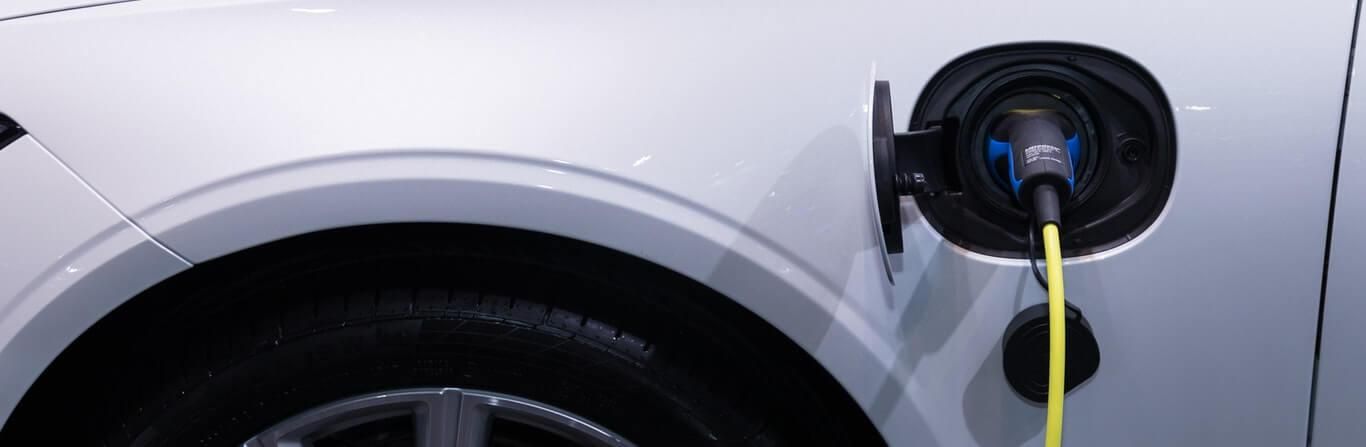
How to choose the right electric or hybrid car for your budget
Choosing the right electric or hybrid car for your budget can be challenging with so many options available today. From pure electric vehicles to hybrid cars and traditional petrol models, buyers must consider factors like range vs price, maintenance costs, and environmental impact. This guide will help you understand these choices clearly, enabling you to make an informed decision that suits your driving habits and budget.
Why people compare Range vs Price
Every vehicle buyer has a budget. But electric mobility introduces new questions:
- How far can the electric vehicle go?
- How much does charging cost?
- Is the plug in hybrid better because it has both a motor and an engine?
- Will the battery life remain strong after a few years?
- Is a hybrid vehicle better for long trips?
These factors matter. People want good fuel efficiency, lower running costs, and a cost effective purchase.
The good thing is that today, there is a car for every kind of driver, from daily city commuters to highway travellers.
Understanding the technologies
1. Internal combustion engine
A traditional internal combustion engine car burns petrol or diesel. These are often called ICE cars. The engines use fossil fuels and release tailpipe emissions. They are reliable, but fuel costs and engine maintenance are higher over time.
2. Electric car
An electric car runs only on battery power and an electric motor. There is no gasoline engine inside. It has fewer moving parts, so repairs and maintenance costs are low. It creates zero tailpipe emissions and reduces dependence on fossil fuels.
3. Hybrid car
A hybrid car mixes both an electric motor and a petrol engine. It automatically chooses the best power source depending on speed, traffic, and terrain. It gives better gas mileage and lower emissions than traditional petrol cars.
4. Strong hybrid
Strong hybrid cars can run short distances only on their electric motor at low speeds. They offer improved fuel efficiency, especially in urban areas.
5. Plug in hybrid
A plug in hybrid (PHEV) can be charged with electricity like an EV. It also has a gas engine. This gives a flexible balance, electric power for city, petrol for highways.
Running costs
a. Electric cars
Electric cars cost very little to run because:
- Electricity is cheaper than petrol
- No oil change
- Fewer moving parts
This means lower running costs and fuel savings, especially for daily city users.
b. Hybrid cars
A hybrid car gives better gas mileage than a petrol car. Fuel savings depend on your driving habits.
c. Petrol cars
These still cost more to run due to higher petrol prices, engine maintenance, and fuel consumption.
Fuel efficiency and gas mileage
If you care about fuel efficiency, compare:
| Type | Efficiency | Best for |
|---|---|---|
| Electric vehicle | Very high | City, shorter distances |
| Hybrid vehicles | High | City + highway |
| Petrol | Moderate | Long highway trips |
For mixed usage, strong hybrids and plug in hybrid systems offer strong balance.
Maintenance costs
Electric vehicles
No oil changes
Less engine maintenance
Fewer moving parts
Lower chances of breakdown
This saves money over few years.
Hybrid cars
More parts = more maintenance.
But still cheaper than petrol-only models.
Petrol cars
Require regular servicing, engine care, and oil replacement.
Environmental impact
Choosing a vehicle also impacts the planet.
Electric cars create zero tailpipe emissions
Hybrid cars reduce fuel usage
Petrol cars produce highest emissions
More EVs help reduce the use of fossil fuels and improve urban air.
Which should you buy?
Ask yourself:
- What is your budget?
- Do you drive daily in the city?
- Do you take long trips often?
- Do you have home charging?
Choose electric if…
- You drive short daily distances
- You want lower operational costs
- You want zero tailpipe emissions
- You have charging access
Choose hybrid If…
- You drive mixed usage
- You want fuel efficient performance
- You travel occasionally on highways
Choose petrol If…
- Budget is limited
- No charging access
- You drive mostly highways
Pros & Cons summary
Electric vehicles
Low running cost
Zero emissions
High purchase price
Needs charging network
Hybrid vehicles
Fuel savings
No range anxiety
Higher price than petrol
Petrol cars
Lower purchase price
High running cost
FAQs
1) Are hybrid cars better than electric cars?
It depends on your usage. If you often go on highways, hybrid cars are flexible. If you drive mostly city, electric cars are cheaper to run.
2) What is the battery life of EVs?
Most battery packs are designed to last many years, often beyond 8–10 years.
3) Do electric vehicles need oil changes?
No. EVs have fewer moving parts and do not need oil change.
4) Is a plug-in hybrid worth it?
A plug in hybrid gives flexibility by using both an electric motor and petrol. Good for mixed driving.
5) Are EVs safe for long distances?
Yes, but public charging planning is needed. Hybrids are easier for long distances.
Conclusion
Choosing the right vehicle depends on your lifestyle, travel needs, and budget.
Every option, EV, hybrid vehicle, or petrol car — has unique strengths.
For daily commute, EVs are cost effective with lower running costs.
For mixed usage, strong hybrids give best balance.
For simple needs, petrol still works.
All Rights Reserved.
ARN: Zuno/Blog/DM/How to choose the right electric or hybrid car for your budget/11/25/20
Disclaimer
Source: The content of the blog/article is based on information obtained from publicly accessible and generally recognized sources, including regulatory authorities, official organizational websites, industry associations, research institutions, market intelligence reports, academic publications, and other reputable secondary references. The information has been collated, analysed, and presented solely for informational purposes. Disclaimer: The company offers various products under Motor insurance, Health Insurance, and commercial insurances. For more details on risk factors, terms and conditions, exclusions, and product features, please read the policy wording and sales brochure carefully before concluding sale. Zuno General Insurance Limited, IRDAI Reg. No. 159, CIN: U66000MH2016PLC273758, Regd. Office: 2nd Floor, Tower 3, Wing B, Kohinoor City Mall, Kohinoor City, Kirol Road, Kurla (West) Mumbai City MH 400070. Reach us on TOLL-FREE: 1800 12000 | Landline: 02242312000 (Call charges applicable) www.hizuno.com | support@hizuno.com


