






BYD enters PHEV segment in India: what plug-in hybrids mean for insurance and ownership costs
Table of Contents:
|
Plug-in Hybrid Electric Vehicles, or PHEVs, may sound like a complicated middle ground. But the idea is actually simple. A regular petrol or diesel car runs only on an engine. A full electric vehicle runs only on a battery and an electric motor. A PHEV sits between the two.
Think of a PHEV as a car with two power sources. It can use an electric motor for short city trips and a petrol engine for longer drives.
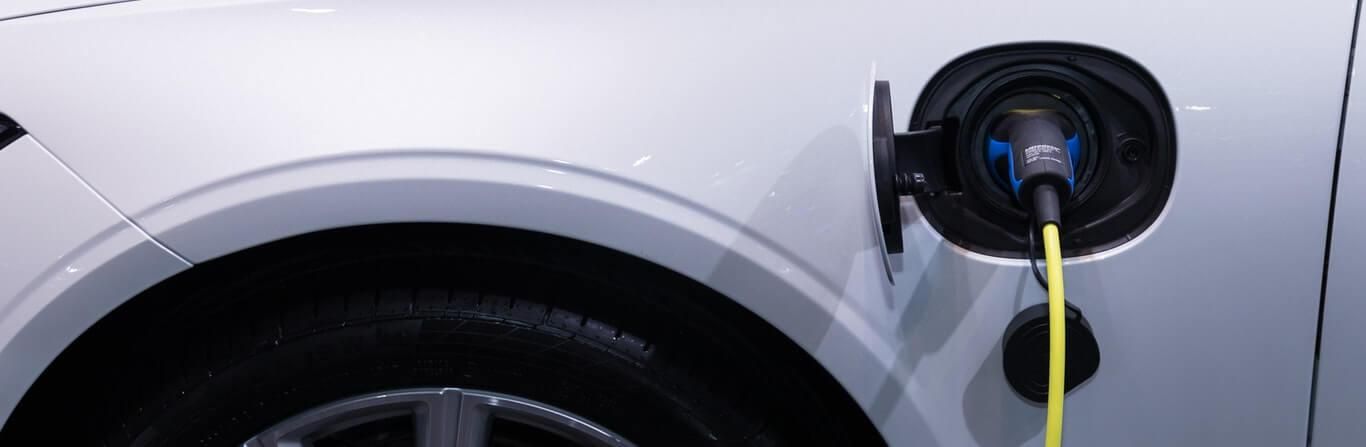
Here is how it works. A PHEV has both a battery and an electric motor along with a petrol or a diesel engine. The battery can be charged using a plug, either at home or through a public charger. For short distances, the car may run mostly on electricity. When the battery runs low or when more power is needed, the engine steps in.
That is why a PHEV is often seen as a bridge between a regular car and a full EV.
Vehicle type | Main power source | Charging needed? | Best suited for |
|---|---|---|---|
| Regular petrol/diesel car | Engine | No | Buyers who want familiar ownership |
| Full EV | Battery and electric motor | Yes | Buyers with reliable charging access |
| Regular hybrid | Engine + small battery | No external charging | Buyers who want better efficiency without plugging in |
| PHEV | Battery, motor and engine | Yes | Buyers who want EV-like city use with fuel backup |
Why the BYD PHEV India launch in 2026 matters
BYD, an auto company, has launched Plug-in Hybrid Electric Vehicles in India this year. The BYD PHEV 2026 India launch is being watched closely because plug-in hybrids are still not common in the Indian passenger vehicle market. Full EVs have become more visible, and regular hybrids already exist, but PHEVs remain a smaller, more premium category.
The launch matters not only because of one model or one company. It matters because it could make more Indian buyers curious about plug-in hybrids.
Many buyers like the idea of electric driving but are not fully ready for a pure EV. Charging access may still be uneven. Long highway trips may create range anxiety. In such cases, a PHEV can feel practical. It can use electric power for daily city driving and fuel for longer trips.
How will PHEVs impact motor insurance?
Car insurance premiums depend on several factors: vehicle value, repair cost, technology, location, claim risk and type of cover. Since PHEVs combine two systems, insurance can become slightly more layered.
First, the vehicle itself may be priced higher than a similar petrol car. A higher insured declared value, or IDV, usually means a higher own-damage premium. IDV is the approximate value of the car used for insurance purposes, especially in theft or total-loss claims.
Second, a PHEV has expensive parts. The battery, electric motor, charging unit, power electronics, sensors and engine-related parts can all affect repair cost.
Third, repairs may need specialised technicians. If the service network is limited, repairs may take longer or cost more. This matters for insurers because claim cost and repair availability both affect pricing.
So, PHEV insurance may cost more, not because the car is “risky” by default, but because the parts are expensive and the technology is layered.
Add-ons that matter more for PHEVs
Add-ons are optional covers that improve protection by paying an extra premium. For PHEVs, add-ons should be selected thoughtfully.
Zero-depreciation cover
This can reduce depreciation deductions on replaced parts during eligible claims. Since PHEVs can have expensive components, depreciation deductions may feel significant during repairs.
Battery or electric component cover
If available, this can be useful because the battery and electrical systems are among the most important parts of a plug-in hybrid. Buyers should check exactly what is covered and what is excluded.
Engine protection cover
A PHEV still has a petrol engine, so engine-related protection may remain relevant. It may be especially useful in flood-prone cities, depending on policy terms.
Roadside assistance
This can help if the vehicle breaks down, needs towing or faces a charging-related issue. For a PHEV owner who travels frequently between cities, this can be practical.
The key point is simple: add-ons increase the premium, but the right ones can reduce financial stress during a claim.
What to check before buying PHEV insurance
A buyer considering a PHEV after the BYD PHEV India 2026 launch should ask sharper insurance questions than they might ask for a regular car.
Start with these:
- Is the battery clearly covered under own-damage?
- Are the motor, charger, wiring and electronic control systems covered?
- Is water damage to electrical components covered or excluded?
- Is engine protection needed because the car also has a fuel engine?
- Are repairs available through authorised or specialised garages?
- What is the IDV, and is it realistic for the vehicle’s value?
- What deductibles apply during claims?
- Are zero-depreciation and roadside assistance worth the extra premium?
These questions help buyers avoid a policy that looks cheaper but leaves costly gaps.
How PHEVs may affect claim experience
The claim process for a PHEV may involve more technical assessment than a regular fuel car. In a normal accident, body damage may be easy to inspect. But with a PHEV, the garage may also need to check battery health, charging systems, wiring and software-linked components.
This can affect repair timelines. It may also affect whether the claim is handled through a cashless garage or reimbursement route.
A buyer should therefore check the garage network before finalising insurance. If specialised repair support is not easily available in the city, the claim experience may become slower or more expensive.
PHEVs offer a useful middle path for buyers who want electric driving in the city and petrol flexibility for longer trips. But from an insurance point of view, they need closer attention. With Zuno, car owners can explore car insurance online, understand coverage options clearly and choose protection that matches their vehicle’s technology and everyday usage. It keeps the process easy, breezy and surely more
All Rights Reserved.
ARN: Zuno/Blog/DM/BYD enters PHEV segment in India: what plug-in hybrids mean for insurance and ownership costs/06/26/06
Disclaimer
Source: The content of the blog/article is based on information obtained from publicly accessible and generally recognized sources, including regulatory authorities, official organizational websites, industry associations, research institutions, market intelligence reports, academic publications, and other reputable secondary references. The information has been collated, analysed, and presented solely for informational purposes. Disclaimer: The company offers various products under Motor insurance, Health Insurance, and commercial insurances. For more details on risk factors, terms and conditions, exclusions, and product features, please read the policy wording and sales brochure carefully before concluding sale. Zuno General Insurance Limited, IRDAI Reg. No. 159, CIN: U66000MH2016PLC273758, Regd. Office: 2nd Floor, Tower 3, Wing B, Kohinoor City Mall, Kohinoor City, Kirol Road, Kurla (West) Mumbai City MH 400070. Reach us on TOLL-FREE: 1800 12000 | Landline: 02242312000 (Call charges applicable) www.hizuno.com | support@hizuno.com


