


Everything you should know about hypertension (high blood pressure)
Hypertension, also known as high blood pressure, is one of the most common health conditions globally, affecting millions of individuals. Despite its prevalence, it is often referred to as a “silent killer” due to its subtle symptoms that can go unnoticed until significant health complications arise. Understanding what hypertension is, its causes, symptoms, and how it affects your overall health, is crucial. Armed with this knowledge, you can take the necessary steps to prevent or manage it effectively.
This guide provides a comprehensive overview of hypertension, covering its symptoms, causes, stages, potential effects on the body, and recommended management strategies. Let’s discover how you can take control of your blood pressure and support a healthier lifestyle.
What is hypertension?
At its core, hypertension is a chronic health condition where blood pressure stays consistently higher than normal. Blood pressure measures the force exerted by circulating blood on the walls of arteries. This measurement consists of two numbers:
- Systolic pressure (the higher number): the pressure in your arteries when your heart beats.
- Diastolic pressure (the lower number): the pressure in your arteries when your heart rests between beats.
A normal blood pressure reading is typically around 120/80 mmhg. If your readings regularly exceed this range, it indicates high blood pressure, requiring attention to lifestyle changes or medical care.
Symptoms of hypertension
Often labeled as a “silent killer,” hypertension symptoms are usually absent in its early stages, which is why regular monitoring is critical. When symptoms do occur, they may include:
- Persistent headaches, often in the morning
- Fatigue or dizziness
- Chest pain
- Blurred vision
- Shortness of breath
Recognizing these symptoms early can help prevent serious complications. If you notice these signs, consult a healthcare provider immediately.
Stages of hypertension
Hypertension isn’t a one-size-fits-all health condition—it progresses through different stages. Understanding these stages can help you and your medical team decide on appropriate interventions:
a. Normal: systolic below 120 mmhg and diastolic below 80 mmhg.
b. Elevated: systolic between 120-129 mmhg and diastolic below 80 mmhg.
c. Stage 1 hypertension: systolic between 130-139 mmhg or diastolic 80-89 mmhg.
d. Stage 2 hypertension: systolic 140 mmhg or higher or diastolic 90 mmhg or higher.
e. Hypertensive crisis: systolic above 180 mmhg or diastolic above 120 mmhg, needing immediate medical attention.
What are the causes of hypertension?
The underlying hypertension causes can be divided into two categories:
1. Non-modifiable (unchangeable) factors
Some risk factors are beyond our control, including:
- Age: arterial stiffness increases with age, making older adults more prone to high blood pressure.
- Genetics: family history plays a significant role in increasing risk.
- Gender: men tend to develop hypertension earlier, whereas women may see an increased risk post-menopause.
2. Modifiable (lifestyle-dependent) factors
Fortunately, several risk factors can be managed or prevented:
- Diet: excessive salt intake and low potassium levels can raise blood pressure.
- Physical inactivity: a sedentary lifestyle contributes to increased risk.
- Stress: chronic stress elevates blood pressure over time.
- Obesity: excess body weight puts additional strain on the heart.
- Alcohol and tobacco use: both can damage blood vessels.
Managing these lifestyle choices can significantly decrease high blood pressure risk.
How hypertension affects your body
If left unmanaged, hypertension can take a significant toll on your overall health, impacting several vital organs:
1. Heart
- Heart disease: elevated blood pressure forces the heart to work harder, potentially leading to left ventricular hypertrophy and heart failure.
- Heart attack risk: damaged arteries may develop plaque buildup, increasing the risk of blockages and, consequently, heart attacks.
- Arrhythmias: these irregular heart rhythms can appear as a result of prolonged strain.
2. Kidneys
- Kidney damage: over time, high blood pressure can impair the kidneys' ability to filter waste effectively, potentially leading to kidney failure.
- Dialysis risks: severe kidney damage may necessitate long-term treatments like dialysis or transplants.
3. Brain
- Stroke risk: damaged or blocked brain arteries may cause strokes, with symptoms such as confusion and dizziness.
- Cognitive decline: reduced blood flow can lead to long-term memory loss and declining intellectual abilities.
4. Eyes
- Vision problems: high blood pressure can damage the tiny blood vessels in the eyes, causing blurred vision and hypertensive retinopathy.
- Choroidopathy: fluid build-up under the retina can eventually impair vision if left untreated.
Diagnosis and treatment of hypertension
Diagnosing hypertension involves several steps:
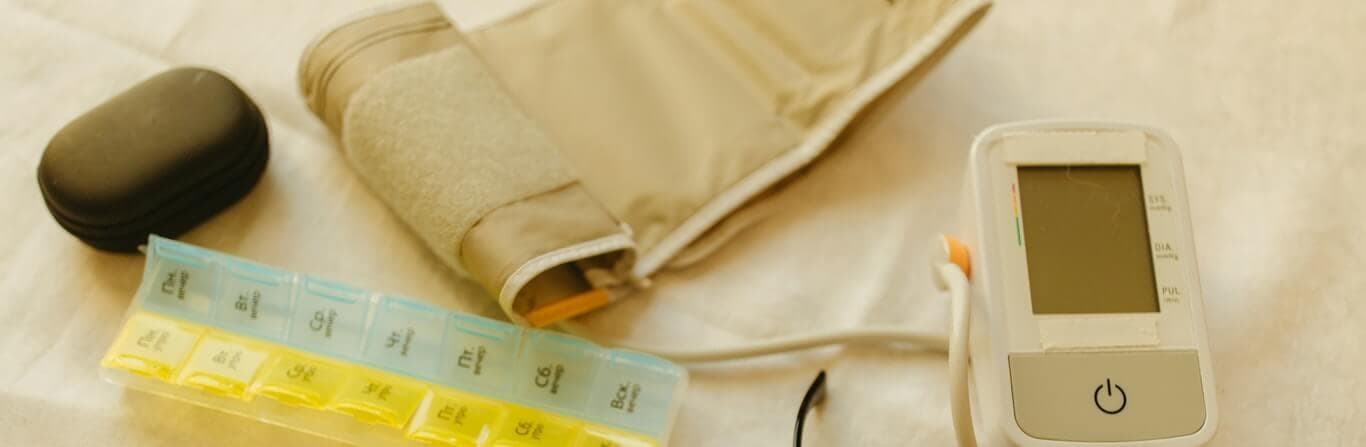
- Blood pressure checks using sphygmomanometers or digital monitors.
- Additional tests like blood work, kidney function tests, and ECGs to assess other potential complications.
Common treatments include:
- Medications such as diuretics, ace inhibitors, arbs, calcium channel blockers, and beta blockers.
- Lifestyle changes like maintaining a healthy diet, regular exercise, and avoiding alcohol or smoking.
Proactive steps to prevent hypertension
Prevention is always better than cure. Adopting these precautionary measures can help manage or reduce the risk of high blood pressure:
1. Eat a healthy diet: incorporate low-sodium, high-potassium foods like leafy greens, bananas, and sweet potatoes.
2. Engage in regular exercise: aim for 150 minutes of moderate activity weekly.
3. Manage stress: techniques like yoga and meditation are excellent for calming both body and mind.
4. Maintain a healthy weight: shedding excess pounds reduces strain on your heart.
5. Limit harmful habits: minimize alcohol intake and quit tobacco use.
Ensuring financial preparedness with health insurance
Chronic conditions like hypertension may require prolonged treatment, regular monitoring, and occasional emergencies. Securing health insurance that covers this condition ensures financial support for doctor visits, medications, and even unexpected medical crises. Investing in a suitable policy can protect you against unexpected costs while prioritizing your health.
Take control of hypertension to protect your health
With silent symptoms and significant risks, hypertension is not a condition to ignore. By recognizing its risk factors, adopting preventive measures, and collaborating with your healthcare provider, you can effectively manage and reduce its impact. From following a heart-healthy lifestyle to securing comprehensive health insurance tailored to your needs, there are plenty of tools at your disposal to maintain optimal health and reduce the long-term risks associated with high blood pressure.
ARN: Zuno/Blog/DM/Everything you should know about hypertension (high blood pressure)/01/25/30
All Rights Reserved.
Disclaimer
Source: The content of the blog/article is based on information obtained from publicly accessible and generally recognized sources, including regulatory authorities, official organizational websites, industry associations, research institutions, market intelligence reports, academic publications, and other reputable secondary references. The information has been collated, analysed, and presented solely for informational purposes. Disclaimer: The company offers various products under Motor insurance, Health Insurance, and commercial insurances. For more details on risk factors, terms and conditions, exclusions, and product features, please read the policy wording and sales brochure carefully before concluding sale. Zuno General Insurance Limited, IRDAI Reg. No. 159, CIN: U66000MH2016PLC273758, Regd. Office: 2nd Floor, Tower 3, Wing B, Kohinoor City Mall, Kohinoor City, Kirol Road, Kurla (West) Mumbai City MH 400070. Reach us on TOLL-FREE: 1800 12000 | Landline: 02242312000 (Call charges applicable) www.hizuno.com | support@hizuno.com