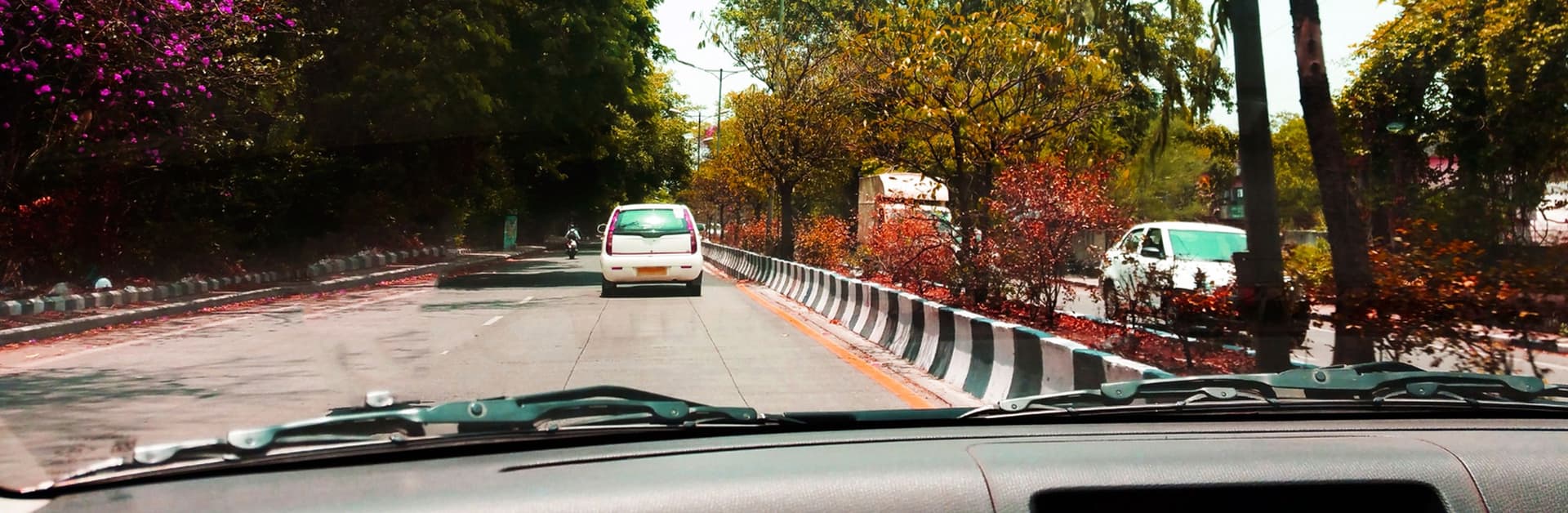
Tips to deal with motion sickness while driving
With festive holidays around the corner, most of us look forward to short road trips and weekend breaks away from the bustle of city life. Car rides have become the most convenient way to enjoy a quick getaway. Unfortunately, motion sickness can turn a pleasant journey into an uncomfortable ordeal. Let’s learn more about motion sickness, what triggers it, and how you can manage your symptoms effectively. Fasten your seatbelt and get ready to discover how to enjoy a nausea-free drive.
Understanding motion sickness
What is motion sickness?
Motion sickness is also known as travel or car sickness. It occurs when there is a disconnect between what your eyes perceive and what your inner ear senses regarding motion. When you are in a moving vehicle, your eyes may see the stationary interior of the car, but your inner ear detects the movement. The conflicting information confuses your brain, leading to symptoms like nausea, dizziness, and vomiting, collectively known as motion sickness.
What causes motion sickness while driving?
Several factors can contribute to motion sickness while driving. Let’s better understand them.
a. Inner ear discrepancy
The inner ear plays a significant role in motion perception. When it sends signals to the brain that differ from what the eyes see, it can trigger motion sickness.
b. Focusing on nearby objects
Reading a book, looking at your smartphone, or focusing on any nearby object can trigger motion sickness while driving and worsen your symptoms. Instead, keep your eyes on the distant horizon to align with your inner ear’s feedback.
c. Winding roads
Twisty, winding roads or routes with frequent stops and starts can exacerbate motion sickness
Now, let’s delve into practical tips on how to avoid motion sickness while driving.

Tips to prevent motion sickness while driving
Understanding how to avoid motion sickness in a car can help you enjoy your road trips. Here are some tips to remember while preparing for your next car journey.
1. Mind your pre-journey diet
Overeating or consuming greasy, spicy, or heavy foods before a road trip can increase the likelihood of motion sickness. Opt for a light, bland meal instead.
2. Stay hydrated
Dehydration can worsen motion sickness symptoms. Sip on cool water throughout your journey to stay refreshed.
3. Choose the right seat
Sitting in the front seat offers a stable view of the road. It makes you more comfortable and reduces motion perception conflicts.
4. Maintain a comfortable car environment
Ensure that the car’s interior is well-ventilated and at a comfortable temperature. Fresh air can help alleviate nausea.
5. Plan your breaks
Plan your journey with regular breaks. Stopping gives you time to stretch your legs, enjoy fresh air, and reset your senses.
6. Keep your eyes on the horizon
Focus your gaze on the distant horizon rather than nearby objects. Doing this helps your eyes sync with your inner ear, reducing motion sickness.
7. Consider medications and home remedies
Consult a healthcare professional about motion sickness medications. These can be taken before your journey to prevent symptoms. You can also try home remedies. Ginger has natural anti-nausea properties. Consider sipping ginger tea or taking ginger supplements before your trip.
8. Distract yourself
Engage your mind by talking with fellow passengers, listening to music, or playing car games. Keeping your mind occupied can reduce the focus on motion discomfort.
9. Avoid screen time and reading
Reading a book or staring at a screen in a moving car can intensify motion sickness. It’s best to save your reading for later.
How to stop motion sickness in a car
Following the above tips can help prevent motion sickness. Once symptoms start, you can try to stop them by:
a. Taking a break
If you feel uneasy, stop the car as soon as possible. Remember to find a safe place to pull over and stretch your legs. Getting out of the vehicle helps reset your senses.
b. Sipping on cold water
Sipping on cool water can help curb feelings of nausea. Remember to avoid caffeinated drinks since they can lead to dehydration and make your symptoms worse.
Enjoy comfortable and safe journeys with travel insurance
The above tips can help you prevent and manage motion sickness while driving. However, you must also consider protecting the rest of your holiday with travel insurance. A travel policy offers financial protection and peace of mind when travelling. Insurance plans cover medical emergencies, trip cancellations, and delays. A good policy becomes a valuable safety net if you need medical attention due to severe motion sickness.

Motion sickness while driving can be a challenging experience. You can minimise its impact on your road trips with the right strategies and precautions. By being mindful of your diet, choosing the right seat, maintaining a comfortable car environment, and using motion sickness remedies, you can significantly reduce the chances of feeling nauseous on your journey. Remember to stay hydrated, take breaks, and keep your eyes on the horizon. Finally, consider the importance of travel insurance to ensure peace of mind, regardless of unexpected incidents during your travels.
ARN: Zuno/Blog/Tips to deal with motion sickness while driving/10/23/02. All rights reserved.
Disclaimer
Source: The content of the blog/article is based on information obtained from publicly accessible and generally recognized sources, including regulatory authorities, official organizational websites, industry associations, research institutions, market intelligence reports, academic publications, and other reputable secondary references. The information has been collated, analysed, and presented solely for informational purposes. Disclaimer: The company offers various products under Motor insurance, Health Insurance, and commercial insurances. For more details on risk factors, terms and conditions, exclusions, and product features, please read the policy wording and sales brochure carefully before concluding sale. Zuno General Insurance Limited, IRDAI Reg. No. 159, CIN: U66000MH2016PLC273758, Regd. Office: 2nd Floor, Tower 3, Wing B, Kohinoor City Mall, Kohinoor City, Kirol Road, Kurla (West) Mumbai City MH 400070. Reach us on TOLL-FREE: 1800 12000 | Landline: 02242312000 (Call charges applicable) www.hizuno.com | support@hizuno.com