







The importance of marine insurance in international trade
International trade helps connect nations, cultures, and markets. Goods are exchanged across borders, oceans, and continents, fostering economic growth and enhancing the quality of life for people everywhere. However, the journey of these goods is not without risks. A storm could disrupt trade routes and leave cargo shipwrecked at the bottom of the ocean. Marine cargo insurance helps safeguard the financial interests of businesses engaged in international trade. Let’s better understand the world of international trade, explore the significance of marine insurance, and understand how to evaluate marine insurance plans.
What is international trade?
International trade involves the exchange of goods and services across national borders. It helps move resources, skills, and technology across regions and countries. The result is a complex web of supply chains stretching across continents, offering consumers access to products that drive economic growth.
How does marine cargo work in the world of international trade?
A significant portion of international trade involves transporting goods over long distances, often through maritime routes. Ships carry billions of tonnes of cargo annually, ranging from raw materials to finished products. While most shipments arrive at their destinations without issues, the maritime journey comes with risks. Factors such as adverse weather conditions, piracy, accidents, and even geopolitical tensions can lead to cargo loss, damage and delays.
What is marine insurance?
Marine insurance acts as a safety net for businesses engaged in international trade. It provides financial protection against the various risks associated with transporting goods by sea. Marine insurance policies cover a range of perils, including fire, theft, collisions, sinking, and damage caused by rough seas.
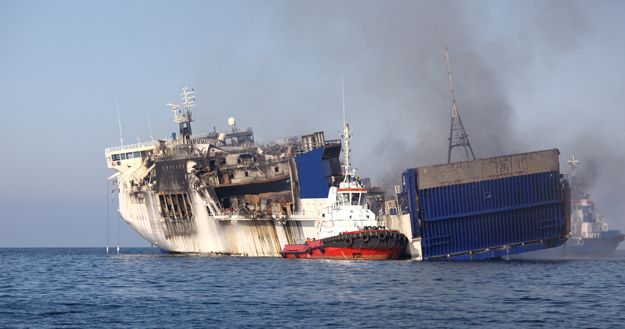
There are several types of marine insurance policies, each tailored to different aspects of the shipping process. These include:
1. Cargo insurance
It covers the goods getting shipped, protecting them from damage or loss during transit.
2. Hull insurance
It covers the ship itself, guarding against damage and total loss.
3. Freight insurance
It protects the shipper’s investment in the cost of freight in case the cargo is lost or damaged.
4. Liability insurance
It covers third-party claims for damage or injury caused by the insured vessel.
The importance of marine insurance in international trade
We cannot overstate the significance of marine insurance in international trade. Here’s why it’s a critical component of any trade-related business strategy:
a. Risk mitigation
The maritime journey involves various risks beyond anyone’s control. Marine insurance provides a safety net that allows businesses to recover financially after unforeseen mishaps.
b. Financial protection
For businesses, especially smaller ones, the financial impact of cargo loss or damage can be devastating. Marine insurance ensures they don’t face insurmountable challenges due to unexpected events.
c. Maintaining customer relationships
Shipment delays and losses can lead to customer dissatisfaction. With marine insurance, businesses can address these issues promptly and avoid damaging their reputation and customer relationships.
d. Compliance with trade contracts
Many trade contracts require the buyer or seller to obtain marine insurance to protect the interests of both parties during the transportation process.
e. Global supply chain resilience
Marine insurance contributes to the overall resilience of global supply chains. When businesses know they have a safety net, they are more likely to venture into international markets, thus boosting global trade.
How to evaluate marine insurance plans
You must evaluate the following factors while considering marine insurance plans to ensure you make an informed decision:
1. Coverage
Evaluate the coverage offered by the insurance plan. Does it encompass the risks you are most concerned about? Looks for options that provide comprehensive coverage for the entire shipping process.
2. Exclusions
Understand what risks the policy does not cover. Are there any specific circumstances that the insurance plan doesn’t protect against?
Compare the premiums of different insurance providers. Remember, the most economical option might not offer the necessary coverage. Always consider the balance between coverage and cost.
4. Claims process
Research the insurance company’s reputation for handling claims efficiently. A seamless claims process helps minimize disruptions to your business in case of an incident.
5. Experience
Opt for insurance companies with a proven track record and experience in providing marine insurance. Established insurance companies better understand the complexities and risks involved in international shipping.
6. Customer reviews
Read reviews and testimonials from other businesses that have used the insurance company’s services. It can provide valuable insights into their reliability and customer service.

In the intricate web of global commerce, you cannot overlook the importance of marine insurance. It is a vital shield against the myriad risks of transporting goods across oceans and continents. With the right marine insurance plan in place, businesses can confidently navigate the challenges of international trade. As the world continues to shrink due to advances in technology and communication, marine insurance remains a cornerstone of the international trade landscape, offering peace of mind to businesses and enabling the global economy to thrive.
ARN: Zuno/Blog/marine insurance in international trade/09/23/03
All rights reserved
Disclaimer
Source: The content of the blog/article is based on information obtained from publicly accessible and generally recognized sources, including regulatory authorities, official organizational websites, industry associations, research institutions, market intelligence reports, academic publications, and other reputable secondary references. The information has been collated, analysed, and presented solely for informational purposes. Disclaimer: The company offers various products under Motor insurance, Health Insurance, and commercial insurances. For more details on risk factors, terms and conditions, exclusions, and product features, please read the policy wording and sales brochure carefully before concluding sale. Zuno General Insurance Limited, IRDAI Reg. No. 159, CIN: U66000MH2016PLC273758, Regd. Office: 2nd Floor, Tower 3, Wing B, Kohinoor City Mall, Kohinoor City, Kirol Road, Kurla (West) Mumbai City MH 400070. Reach us on TOLL-FREE: 1800 12000 | Landline: 02242312000 (Call charges applicable) www.hizuno.com | support@hizuno.com


