






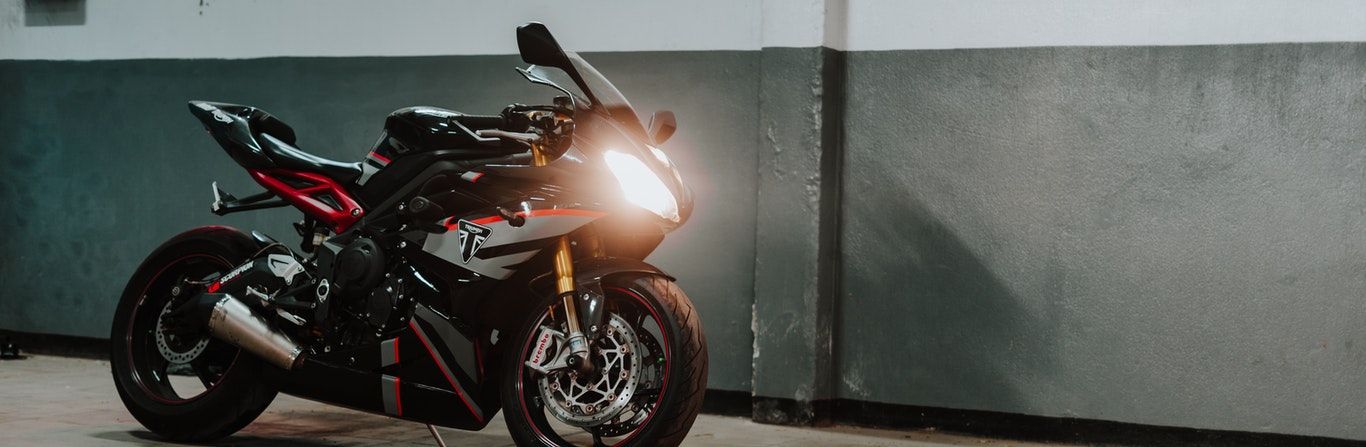
Tips for removing bike scratches at home
Understanding the types of bike scratches and their impact
Scratches can vary in depth and severity, each requiring a different approach for repair. Surface scratches, for instance, are just on the paint layer and can be easily buffed out. Deeper gouges might penetrate through to the metal, needing more attention and effort.
1. Surface scratches
These are light scratches that only affect the top layer of the paint. They are often caused by minor brushes against rough surfaces or small debris.
2. Deep scratches
These go beyond the paint and can expose the metal underneath. They might occur from bigger impacts or consistent friction.
3. Scuffs and marks
These aren’t exactly scratches but can still mar the appearance of your bike. They are usually from contact with other objects.
Understanding the kind of scratch helps you decide on the best repair method, ensuring you approach the task effectively.
Essential tools and materials needed for at-home bike scratch repair
Before you begin the repair process, make sure you have all the necessary tools and materials on hand. Here’s what you’ll need:
a. Microfiber cloths
These are gentle on the bike’s surface and great for applying and removing compounds.
b. Sandpaper
Different grits (2000 to 3000) are essential for smoothing out scratches.
c. Polishing compound
This helps in evening out the paint and adding shine.
d. Touch-up paint
Matching your bike's color is crucial for seamless repairs.
e. Clear coat
This protects the paint and adds a finishing touch to your repair.
Step-by-step guide on how to remove scratches from different parts of a bike
a. Clean the area
Start by washing the scratched area with soap and water. Dry it with a microfiber cloth to ensure there's no residue.
b. Sand the scratch
Gently sand the scratched area using fine-grit sandpaper. Start with 2000 grit and move to 3000 grit for a smoother finish. This helps in evening out the surface.
c. Apply polishing compound
Use a microfiber cloth to apply a small amount of polishing compound. Rub in a circular motion until the scratch starts to fade.
d. Touch-up paint
If the scratch is deep, apply touch-up paint that matches your bike's color. Allow it to dry completely. Multiple layers might be needed for deeper scratches.
e. Finish with clear coat
Once the paint is dry, apply a clear coat to seal and protect the area. This will also give it a glossy finish.
Tips on preventing future scratches and maintaining a scratch-free bike
1. Use protective films
Applying a transparent protective film on vulnerable areas can prevent scratches.
2. Regular cleaning
Dirt and debris can cause micro-scratches. Regular cleaning helps in maintaining the paint's integrity.
3. Proper storage
Avoid leaning your bike against rough surfaces. Use bike stands or hooks to keep it off the ground
By incorporating these practices, you can extend the life of your bike's paint job and keep it looking new.
There's a unique satisfaction that comes from fixing things yourself. Repairing bike scratches not only saves money but also gives you a deeper connection with your bike. Regular inspections and timely repairs maintain your bike’s value and ensure smooth rides.
ARN: Zuno/Blog/DM/Tips for Removing Bike Scratches at Home/08/24/02
All Rights Reserved.
Disclaimer
Source: The content of the blog/article is based on information obtained from publicly accessible and generally recognized sources, including regulatory authorities, official organizational websites, industry associations, research institutions, market intelligence reports, academic publications, and other reputable secondary references. The information has been collated, analysed, and presented solely for informational purposes. Disclaimer: The company offers various products under Motor insurance, Health Insurance, and commercial insurances. For more details on risk factors, terms and conditions, exclusions, and product features, please read the policy wording and sales brochure carefully before concluding sale. Zuno General Insurance Limited, IRDAI Reg. No. 159, CIN: U66000MH2016PLC273758, Regd. Office: 2nd Floor, Tower 3, Wing B, Kohinoor City Mall, Kohinoor City, Kirol Road, Kurla (West) Mumbai City MH 400070. Reach us on TOLL-FREE: 1800 12000 | Landline: 02242312000 (Call charges applicable) www.hizuno.com | support@hizuno.com


