






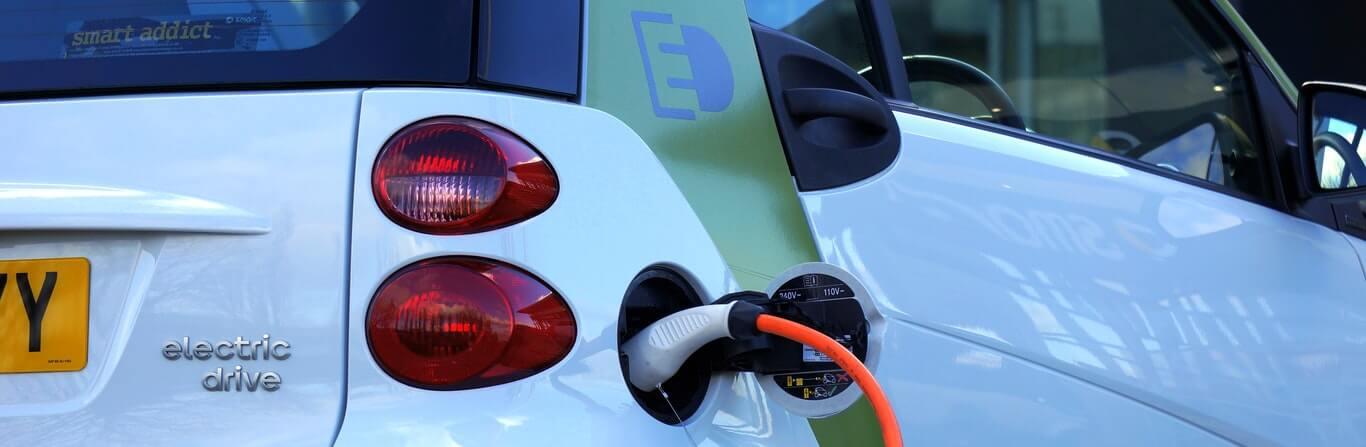
How to safely charge your electric vehicle and avoid fire hazards
Introduction to Safe Charging
With the rise of electric vehicles (EVs) across the globe, more drivers are making the switch from internal combustion engines to clean electric mobility. According to the International Energy Agency, EV adoption is accelerating, and millions of electric cars are now on the road. However, with increased usage comes a growing concern: how to safely charge your EV and avoid fire hazards.
Safe EV charging is not just about convenience — it’s a matter of safety for your home, family, and the vehicle itself. As we integrate electric vehicle supply equipment, lithium-ion batteries, and new charging stations into daily use, it’s important to follow proper safety measures to reduce fire risks, prevent electrical hazards, and extend your vehicle’s lifespan.
This guide breaks down everything from choosing the right charging equipment to understanding battery safety, managing thermal runaway, and creating an emergency response plan in case of an EV fire.
Choosing the right charging equipment
a. Select certified electric vehicle supply equipment
Choosing the right charging equipment is the first step in preventing electric vehicle fires. A certified, tested, and properly installed EV charging station reduces the likelihood of electrical hazards and short circuits.
Safety tips:
- Only buy EV chargers approved by BIS (Bureau of Indian Standards) or equivalent global certifications.
- Avoid using regular wall sockets or extension cords, which can lead to overheating, fire risk, and electric shock.
- If you’re charging at home, install a dedicated charging point with a circuit breaker.
b. Consult a professional electrician
Your home's electrical system may not be ready to handle the heavy load of EV charging. A professional electrician can:
- Inspect the circuit capacity.
- Install surge protection.
- Prevent electrical hazards and ensure safe load distribution.
This is especially important if you’re charging high-capacity EVs like an EV fleet or electric car with a large battery pack.
Charging safety guidelines
1. Regular inspection and maintenance
Inspect all charging equipment regularly. Check for:
- Frayed wires
- Burn marks
- Loose connections
- Corrosion on plug points
- Damaged parts can easily cause short circuits, leading to an EV fire or electric shock.
2. Follow manufacturer’s instructions
Every EV model comes with specific safety guidelines. These include:
- Recommended charging process
- Voltage and current limits
- Safe duration for a full charge
- Ignoring these can damage the battery cells, reduce efficiency, and increase the fire risk.
3. Avoid overcharging
Most EVs are equipped with battery management systems, but it’s still essential to:
- Disconnect when fully charged
- Avoid overnight charging without smart features
- Use timers or smart plugs to control charging time
- Overcharging may lead to thermal runaway, a chain reaction inside the lithium-ion battery that causes it to catch fire.
Battery safety and maintenance
a. Understanding lithium-ion battery risks
Most electric vehicles use lithium-ion batteries, which offer high efficiency but are also sensitive to:
- Overcharging
- Overheating
- Physical damage
Once damaged, these batteries can initiate battery fires that are difficult to control.
2. Preventing thermal runaway
Thermal runaway is one of the leading causes of EV fires. It occurs when the vehicle’s battery overheats and starts a self-sustaining fire.
Preventive steps:
- Never use damaged batteries
- Avoid impact or crushing during transport
- Use certified battery packs from approved vendors
Battery fires can reignite hours after being extinguished, posing a unique challenge for emergency responders and fire service personnel.
3. Maintenance best practices
- Schedule regular maintenance with your EV service provider.
- Check your traction battery health via onboard diagnostics.
- Avoid fast charging frequently unless your EV specifically supports it.
Emergency Response Planning
Despite your best precautions, it's essential to be prepared for emergencies.
a. Emergency protocols for fire risk
In case of a burning car:
- Evacuate the area immediately.
- Avoid touching the vehicle or nearby charging station.
- Contact the fire service and inform them it’s an electric vehicle fire.
- EV fires pose unique challenges, including:
- Higher voltage hazards
- Potential for re-ignition
- Release of toxic fumes
b. Informing first and second responders
Educate your household or employees (in the case of an EV fleet) on basic safety:
- Shut-off procedures
- Fire extinguisher location
- Emergency exits in parking garages or parking structures
- Label your EV’s battery and electrical system for easier identification by first responders.
Public charging safety
Public EV charging stations are convenient, but they come with their own set of safety risks.
a. Use only certified stations
Ensure the station:
- Meets national and international safety standards
- Is maintained by a licensed operator
- Is installed in a safe location
- Avoid using public stations that:
- Show signs of damage
- Have exposed wiring
- Are located in unsafe or flammable environments
b. Safety protocols while charging in public
- Never leave your vehicle unattended for long durations.
- Avoid charging during storms or heavy rain unless the station is fully weather-proof.
- Report any malfunctions immediately to the station operator.
Home charging safety
Charging at home is popular but must be handled responsibly.
a. Dedicated charging setup
- Install a separate circuit for your EV charging station
- Avoid using shared outlets with other heavy appliances
- Ensure proper earthing and grounding
c. Keep away from flammable items
- Don’t install the charger near fuel, paper, or cloth.
- Maintain a clean, dry area around the charger.
- Store fire extinguishers nearby, especially rated for electrical fires.
Charging best practices
a. Use smart charging solutions
Smart chargers allow:
- Load balancing
- Scheduled charging
- Integration with home solar or energy storage
- These features help prevent overcharging, short circuits, and electrical hazards.
b. Clean and dry environment
- Moisture is a major cause of electrical system failure.
- Keep charging ports and battery pack clean and dry.
- Avoid using your charger outdoors unless it is weather-rated.
c. Regular software updates
Many modern EVs use software to manage battery safety. Always keep your firmware updated for new safety improvements.
Environmental considerations
a. Sustainable disposal
Used battery packs must be disposed of through certified e-waste handlers. Improper disposal can lead to fires and environmental contamination.
b. Recycling battery materials
Promote reuse and recycling of materials like:
- Lithium
- Cobalt
- Nickel
This reduces dependence on mining and limits environmental damage.
EVs and climate change
Though EVs increase safety concerns in some areas, they also:
- Reduce greenhouse gas emissions
- Improve urban air quality
- Lower noise pollution
- Balancing battery safety and sustainability is the future of green mobility.
Conclusion
Charging an electric vehicle safely isn't complicated, but it does require discipline and awareness. Whether you're a daily commuter or managing a large EV fleet, understanding how to safely charge your EV and avoid fire hazards can protect lives, property, and the environment.
With more EVs on the road each day, it’s time we all learn to charge safely and increase awareness about battery fires, electric shock, and fire risk associated with improper charging.
ARN: Zuno/Blog/DM/How to safely charge your electric vehicle and avoid fire hazards/04/25/47
All Rights Reserved
Disclaimer
Source: The content of the blog/article is based on information obtained from publicly accessible and generally recognized sources, including regulatory authorities, official organizational websites, industry associations, research institutions, market intelligence reports, academic publications, and other reputable secondary references. The information has been collated, analysed, and presented solely for informational purposes. Disclaimer: The company offers various products under Motor insurance, Health Insurance, and commercial insurances. For more details on risk factors, terms and conditions, exclusions, and product features, please read the policy wording and sales brochure carefully before concluding sale. Zuno General Insurance Limited, IRDAI Reg. No. 159, CIN: U66000MH2016PLC273758, Regd. Office: 2nd Floor, Tower 3, Wing B, Kohinoor City Mall, Kohinoor City, Kirol Road, Kurla (West) Mumbai City MH 400070. Reach us on TOLL-FREE: 1800 12000 | Landline: 02242312000 (Call charges applicable) www.hizuno.com | support@hizuno.com


