






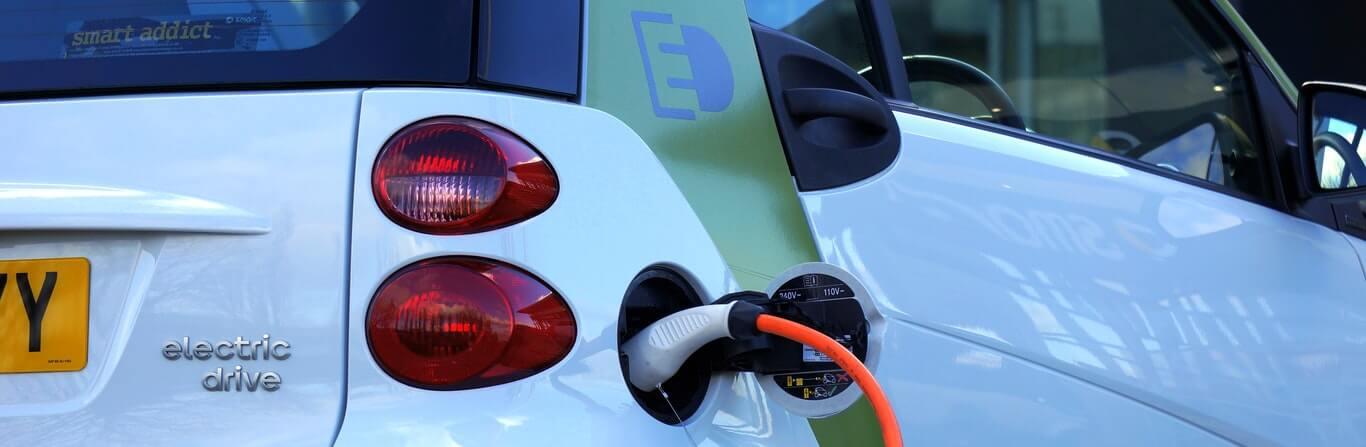
EV subsidy in India 2024: state-wise guide, how to claim, and latest updates
As India accelerates towards a greener future, electric vehicles (EVs) are taking center stage. To boost EV adoption, both the central government and various state governments are offering attractive subsidies. In this comprehensive guide, we'll break down the EV subsidy scenario across India, focusing on state-wise policies, how to claim your subsidy, and the latest updates for 2024.
As India drives toward a cleaner and more sustainable future, electric vehicles (EVs) are gaining momentum. To accelerate adoption, both central and state governments continue to offer significant subsidies and incentives. This 2025 guide outlines everything you need to know: state-wise EV subsidies, how to claim them, and the latest developments.
Contents
- What Is an EV Subsidy?
- Central Government: FAME II Scheme
- State-Wise EV Subsidy Guide
- How to Claim EV Subsidy Online
- EV Subsidy Calculator: Estimate Your Savings
- Latest EV Subsidy Updates for 2025
- FAQs
Understanding EV subsidy in India
Before delving into state-wise specifics, here’s a quick overview:
1. EV Subsidy Definition: A financial incentive offered by the government to make electric vehicles more affordable.
2. Types of Benefits:
- Direct cashback
- Waiver of road tax and registration fees
- Special incentives on electric car insurance subsidy
3. Central Framework: The FAME II (Faster Adoption and Manufacturing of Hybrid and Electric Vehicles) scheme provides nationwide base-level incentives.
State-wise EV subsidy guide
1. Gujarat
- Subsidy Amount:
- Up to ₹20,000 for electric two-wheelers
- ₹50,000 for electric three-wheelers
- ₹1.5 lakh for electric cars
- Up to ₹20,000 for electric two-wheelers
- Extra Benefits: Full exemption on registration and road tax
- How to Apply: Use the Gujarat EV portal
2. Delhi
- Subsidy Amount:
- ₹30,000 for two-wheelers
- ₹1.5 lakh for electric cars
- ₹30,000 for two-wheelers
- Additional Incentives: Scrappage benefits on old petrol/diesel vehicles
- Application Process: Register via Delhi EV Portal
3. Maharashtra
- Subsidy Amount:
- ₹10,000 for electric two-wheelers
- Up to ₹1 lakh for electric cars
- ₹10,000 for electric two-wheelers
- Benefits: Waiver of road tax and registration fees
- How to Claim: Apply through the official Maharashtra EV portal
4. Odisha
- Subsidy Scheme:
- 15% of vehicle cost for electric two- and three-wheelers
- 15% of vehicle cost for electric two- and three-wheelers
- Additional Benefits: Full road tax and registration exemption
- How to Apply: Visit the Odisha EV portal
5. Uttar Pradesh
- Subsidy Amount:
- ₹5,000 for electric two-wheelers
- ₹1 lakh for electric cars
- ₹5,000 for electric two-wheelers
- Benefits: Road tax and registration fee exemptions
- Check Status: Use the UP EV portal
6. Rajasthan
- Subsidy Structure:
- ₹5,000 for two-wheelers
- ₹50,000 for electric cars
- ₹5,000 for two-wheelers
- Perks: SGST refunds and stamp duty waivers
- Application Process: Apply via Rajasthan EV portal
7. Haryana
- Incentive Amount:
- ₹5,000 for electric two-wheelers
- ₹30,000 for electric three-wheelers
- ₹5,000 for electric two-wheelers
- Other Benefits: Employment-linked subsidies for manufacturers
- How to Avail: Use the Haryana EV portal
How to check EV subsidy status online
- Visit your state’s EV subsidy portal
- Look for “Track Application” or “Check Status”
- Enter your Application ID or Vehicle Number
- Submit to view real-time status
Tip: Contact your state helpline if you face delays or discrepancies.
EV subsidy calculator: estimate your savings
Want to know how much you’ll save? Use a reliable EV subsidy calculator:
a. Choose your state
b. Select your vehicle category
c. Enter the ex-showroom price
The tool will display:
Central FAME II subsidy
State-specific subsidy
Final price after deductions
Some platforms also factor in electric car insurance subsidy into your savings estimate.
Latest EV subsidy news & policy updates for 2025
- Union budget 2025: Major funding allocated for EV battery manufacturing and public charging stations.
- FAME II extension: Extended until March 2026 with revised benchmarks for vehicle categories.
- New state policies: States like Kerala, Assam, and Punjab have launched updated EV policies.
- EV infrastructure push: Greater incentives for private and public EV charging installations.
- Insurance incentives: Several states are offering partial subsidies on ev insurance for early adopters.
FAQs: Your EV subsidy questions answered
1. What is an EV subsidy?
A government-backed discount aimed at reducing the effective cost of electric vehicles for consumers.
2. How can I claim EV subsidy in Gujarat?
Apply through the Gujarat EV portal, upload required documents, and receive the subsidy directly in your bank account.
3. Does Goa offer EV subsidy?
Yes, up to ₹30,000 for electric two-wheelers and ₹3 lakh for electric cars, including electric car insurance benefits.
4. How do I check my EV subsidy status in Delhi?
Use your application ID on the official Delhi EV portal under the “Track Status” section.
5. Have EV subsidies changed in 2025?
Yes, many states have updated their policies. Some have increased cash incentives, while others have added ev insurance and infrastructure perks.
Final Thoughts
As India transitions to electric mobility, understanding and claiming EV subsidies has never been more crucial. Here’s what you should always do:
- Check FAME II and your state-specific subsidies
- Use only official portals for applications
- Factor in electric car insurance and its impact on your total cost
- Stay informed about electric car insurance subsidy updates
- Compare EVs using a full cost-of-ownership approach
With the right guidance, owning an EV in India can be more affordable and future-ready than ever.
ARN: Zuno/Blog/DM/EV subsidy in India 2024: state-wise guide, how to claim, and latest updates/09/24/02
All Rights Reserved.
Disclaimer
Source: The content of the blog/article is based on information obtained from publicly accessible and generally recognized sources, including regulatory authorities, official organizational websites, industry associations, research institutions, market intelligence reports, academic publications, and other reputable secondary references. The information has been collated, analysed, and presented solely for informational purposes. Disclaimer: The company offers various products under Motor insurance, Health Insurance, and commercial insurances. For more details on risk factors, terms and conditions, exclusions, and product features, please read the policy wording and sales brochure carefully before concluding sale. Zuno General Insurance Limited, IRDAI Reg. No. 159, CIN: U66000MH2016PLC273758, Regd. Office: 2nd Floor, Tower 3, Wing B, Kohinoor City Mall, Kohinoor City, Kirol Road, Kurla (West) Mumbai City MH 400070. Reach us on TOLL-FREE: 1800 12000 | Landline: 02242312000 (Call charges applicable) www.hizuno.com | support@hizuno.com


